Star Wars: Republic Commando Explained
The 2005 squad shooter that made clone troopers into characters: Delta Squad, the Clone Wars setting, squad orders, its TV legacy and the 2021 re-release.
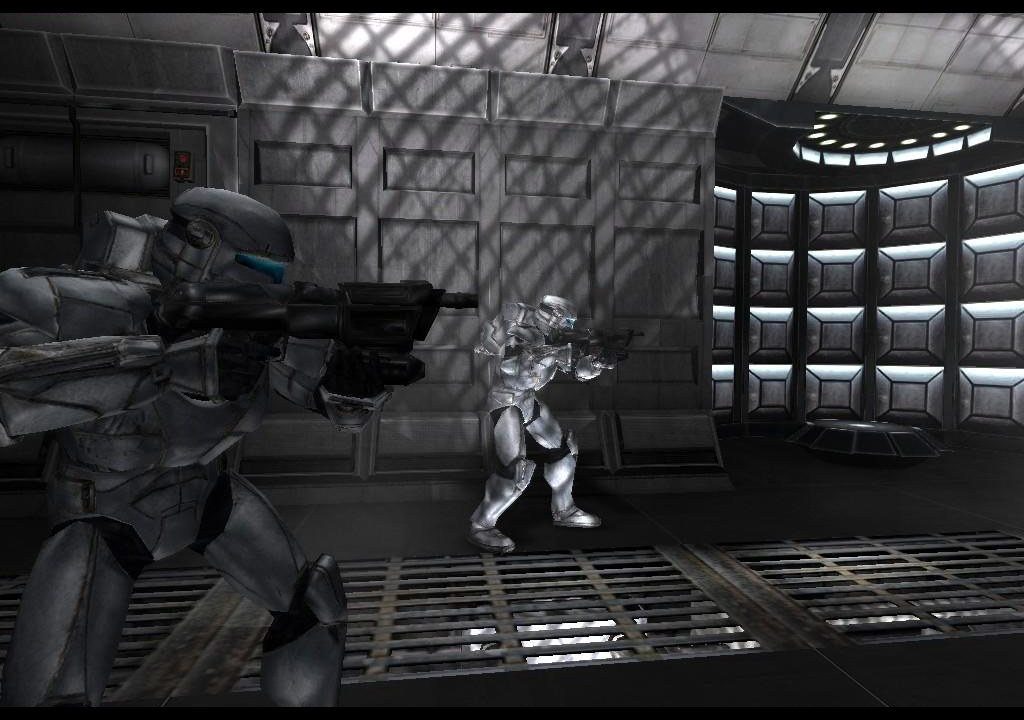
Most Star Wars games put you in the boots of a Jedi, a smuggler or a pilot. Star Wars: Republic Commando did something different. It handed you a helmet, a modular rifle and three brothers who were bred for the same purpose you were, then dropped all four of you behind enemy lines in the opening days of the Clone Wars. Released in 2005, it was never one of LucasArts’ biggest sellers, yet two decades later it is one of the most fondly remembered Star Wars games ever made, and its fingerprints are all over the animated series that followed.
This explainer covers what Republic Commando is, who Delta Squad are, how the squad command system works, where the story sits in the Star Wars timeline, and how the game has lived on through television, novels and a 2021 re-release on modern consoles.
What Republic Commando Is
Star Wars: Republic Commando is a tactical first-person shooter developed and published by LucasArts. It launched for Windows and the original Xbox in North America on March 1, 2005, with Europe following on March 4. The game was directed by Tim Longo and built on Unreal Engine 2, with an original score by Jesse Harlin.
Republic Commando arrived a couple of months before Revenge of the Sith reached cinemas. Rather than adapting film scenes, LucasArts built a military squad shooter wearing Star Wars armour: no lightsaber duels, no Force powers. You are a soldier, and the game wants you to feel like one. A multiplayer mode was included too, with original Xbox Live support that ended on April 15, 2010.
Meet Delta Squad
The player controls RC-1138, known as “Boss,” the leader of Delta Squad, a four-man team of clone commandos. Clone commandos are an elite branch of the Grand Army of the Republic, trained for special operations rather than frontline battle lines. Each squadmate has a clear personality and a preferred role:
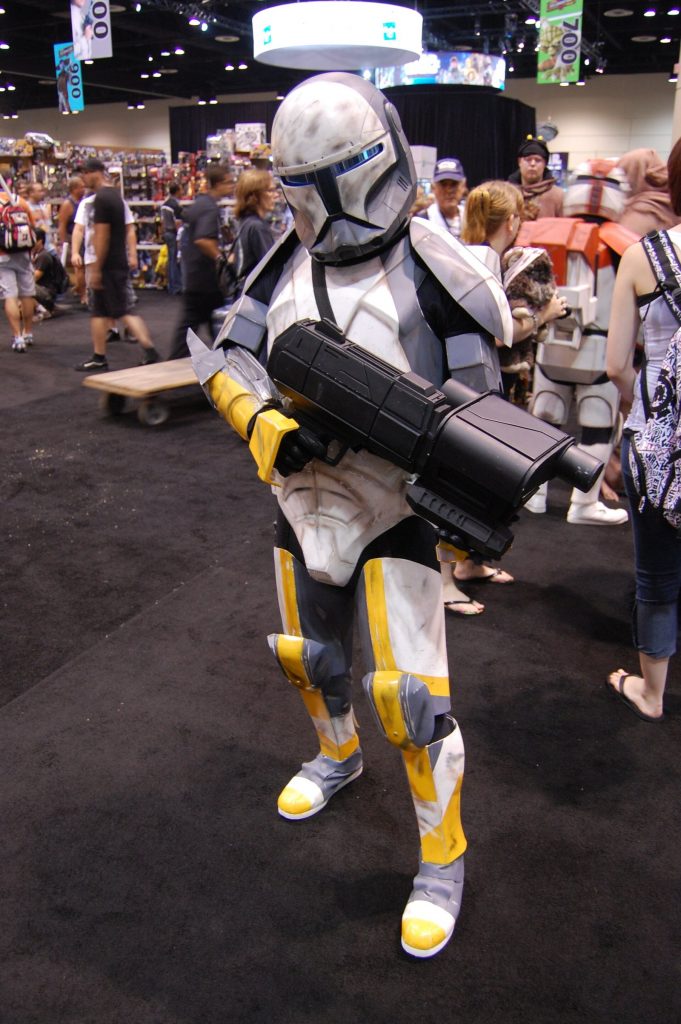
- RC-1138 “Boss”: the player character and squad leader, practical and focused on the mission.
- RC-1262 “Scorch”: the demolitions expert and the squad’s joker, prone to wisecracks even under fire.
- RC-1140 “Fixer”: the technical specialist who handles hacking and slicing, a by-the-book soldier.
- RC-1207 “Sev”: the sniper, cold and openly enthusiastic about racking up kills.
Orders come over the comms from a clone officer referred to simply as the Advisor. The banter between the four commandos is one of the most praised parts of the game. Because every clone shares the same template, the writers had to create individuality through attitude and dialogue, and the constant back-and-forth between Scorch and Sev in particular gave the squad a sense of history that most licensed games never managed.
How the Squad Command System Works
The game’s defining mechanic is a context-sensitive command system that lets you direct the squad with a single button. The heads-up display is presented as the inside of a clone commando’s helmet visor, complete with a wiper effect that clears grime and blood from the glass.
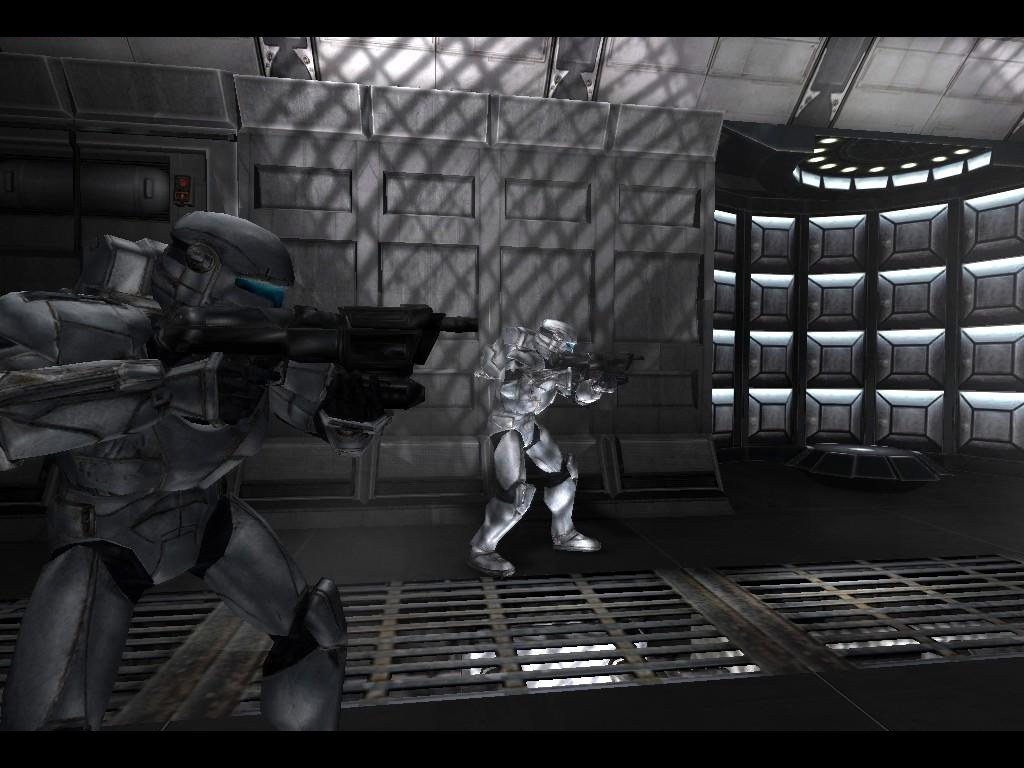
When you aim your crosshair at certain objects in the environment, they highlight to show that the squad can interact with them. Pressing the use key then issues a specific order. Point at a door and the squad stacks up for a synchronised breach, with options to blast it open with explosives or use a flashbang. Point at a computer terminal and someone moves to slice it. Point at an elevated position and a squadmate takes up a sniper perch. Other highlighted spots include positions for anti-armour fire or grenade cover, and mounted turrets that a squadmate can man.
Alongside these context orders, there are general commands:
- Form up: the squad follows the player closely.
- Secure position: the squad moves to a chosen spot and holds it.
- Search and destroy: the squad engages enemies on its own initiative.
- Cancel manoeuvres: brings the squad back from assigned tasks.
Incapacitation instead of death
Republic Commando does not kill off squadmates permanently. When a commando takes too much damage, he is incapacitated and can be revived by a teammate. This applies to the player as well: if Boss goes down, you can order the remaining squad to revive you or tell them to keep fighting. The mission fails only when the entire squad is down, when the player is downed somewhere squadmates cannot reach, or when the player is fighting alone and runs out of health. Bacta stations scattered through levels restore health fully, while a revive only brings a commando back with a small amount.
Each commando carries a DC-17m blaster that switches between assault rifle, sniper rifle and grenade launcher configurations, backed by a sidearm, a melee blade and grenades.
The Story: Three Campaigns Across the Clone Wars
The campaign is split into three sections, each on a different battlefield.
Geonosis
The game begins during the Battle of Geonosis, the clash that opens the Clone Wars at the end of Attack of the Clones. Delta Squad is assembled for the first time and sent on a series of special operations: assassinating the Geonosian leader Sun Fac, sabotaging a battle droid factory, disabling anti-aircraft defences and infiltrating a Separatist Core Ship to steal launch codes. The early missions double as a tutorial for the command system.
The derelict Prosecutor
The second campaign moves forward about a year into the war. The Republic assault ship Prosecutor has been found drifting and abandoned, and Delta Squad is sent aboard to investigate. The ship has been taken over by Trandoshan slavers and mercenaries who plan to sell it to the Separatists. The squad works through dark corridors, rescues captives and retakes the bridge. The mission ends with the squad defending the ship against a Separatist battleship until another Republic vessel arrives to help destroy it.
Kashyyyk
The final campaign takes place on the Wookiee homeworld of Kashyyyk, setting up the battle shown in Revenge of the Sith. Delta Squad rescues the Wookiee chieftain Tarfful from Trandoshan slavers, crosses paths with General Grievous and his MagnaGuards, and sabotages a Separatist staging area ahead of the larger Battle of Kashyyyk. During the final stretch, Sev is separated from the squad under heavy attack and cannot be reached.
The ending
When the order comes to evacuate, the remaining three commandos are forced to leave without Sev. The game closes with Yoda debriefing the squad and Delta heading off toward its next assignment as a massive Republic fleet deploys. Sev’s fate is left unresolved, a deliberate open thread that fans have debated ever since, especially after a planned sequel never materialised.
Where It Fits in the Star Wars Timeline
Republic Commando spans the full length of the Clone Wars. It opens during the battle that starts the war in Attack of the Clones and ends in the lead-up to the Battle of Kashyyyk depicted in Revenge of the Sith, shortly before Order 66. If you want to see it placed among other games from the same period, our guide to Star Wars games in chronological story order lists the Clone Wars titles side by side.
Like every Star Wars game released before 2014, Republic Commando was moved to the Legends label when Lucasfilm reorganised its continuity after the Disney acquisition. Our explainer on canon versus Legends covers what that rebranding meant. In practice, though, Republic Commando is one of the Legends games that has leaked back into canon more than most, as the next section shows.
Legacy: Delta Squad on Television and in Novels
Republic Commando’s influence went well beyond its sales. Dave Filoni, the supervising director of The Clone Wars, has cited the game as an inspiration for how the show treated its clone characters, and several direct nods made it to screen:
- The Clone Wars: Delta Squad makes a brief appearance in the third-season episode “Witches of the Mist,” which means the squad exists in current canon even though the game itself is Legends.
- Captain Gregor: introduced in a fifth-season episode of The Clone Wars, Gregor is a former clone commando who has lost his memory, a character who carries the commando idea into the show.
- Clone Force 99: the “Bad Batch” squad introduced in the seventh season of The Clone Wars is a group of specialised, personality-driven clones, very similar in concept to Delta Squad.
- The Bad Batch: the 2021 spin-off series includes a cameo by Scorch and briefly shows the game’s distinctive helmet HUD design.
- Battlefront II (2017): clone commandos are playable in DICE’s multiplayer game.
The game also gave fans a word that has had a strange afterlife. “Clanker,” the commandos’ slang for battle droids, was popularised by Republic Commando and later picked up in The Clone Wars. In recent years it has spread far beyond Star Wars as a jokey insult for robots and AI.
The Karen Traviss novels
Alongside the game, author Karen Traviss wrote a series of tie-in novels: Hard Contact (2004), Triple Zero (2006), True Colors (2007) and Order 66 (2008), followed by 501st (2009), which was branded under the planned Imperial Commando name. The books focus mainly on a different squad, Omega, but expanded the culture of the clones and their Mandalorian trainers. The game’s “Vode An” choral theme, sung in the Mandalorian language, inspired Traviss to build out that language further in her writing.
The sequel that never happened
A sequel, Star Wars: Imperial Commando, was planned to follow Delta Squad through the transition from Republic to Empire. It was cancelled early, and only concept art is known to have been produced. A small mobile spin-off, Republic Commando: Order 66, appeared on Symbian phones in 2005, but the console story ended where the original game did.
The 2021 Re-Release on PS4 and Switch
On April 6, 2021, Aspyr released Republic Commando for PlayStation 4 and Nintendo Switch, the first time the game had appeared on a PlayStation or Nintendo platform. The port arrived as part of the wider wave of classic Star Wars re-releases that followed Lucasfilm Games’ return as a label, a story covered in our history of LucasArts and Lucasfilm Games.
The re-release was well received in principle but had technical problems at launch. The Switch version in particular suffered from frame-rate issues that Aspyr later addressed in a patch, and the PS4 version reviewed noticeably lower than the original. Critics largely agreed that the game itself had aged well while the port needed polish.
Reception Then and Now
At launch, Republic Commando received generally favourable reviews, with both the Xbox and PC versions scoring 78 on Metacritic. Critics praised the squad mechanics, the atmosphere and the personality of Delta Squad, while the most frequent complaints were the short campaign and the underwhelming multiplayer.
Its reputation has grown considerably since, and it is now regularly listed among the best Star Wars games, largely because few later Star Wars games have attempted a grounded, squad-based soldier experience.
Why Republic Commando Still Matters
Republic Commando proved that Star Wars could support stories about ordinary soldiers rather than Jedi and heroes of destiny. It treated clones as people at a time when the films did not, it built a squad system that still feels intuitive, and it left behind characters who have outlived their own game’s continuity. For anyone interested in how the Clone Wars era became one of the richest parts of Star Wars storytelling, Republic Commando is one of the first places that idea took shape.