DC Video Games Beyond Batman: Superman, Justice League and More
DC games that are not about Batman: Superman's troubled history, Justice League Heroes, DC Universe Online, Suicide Squad and the projects that never shipped.
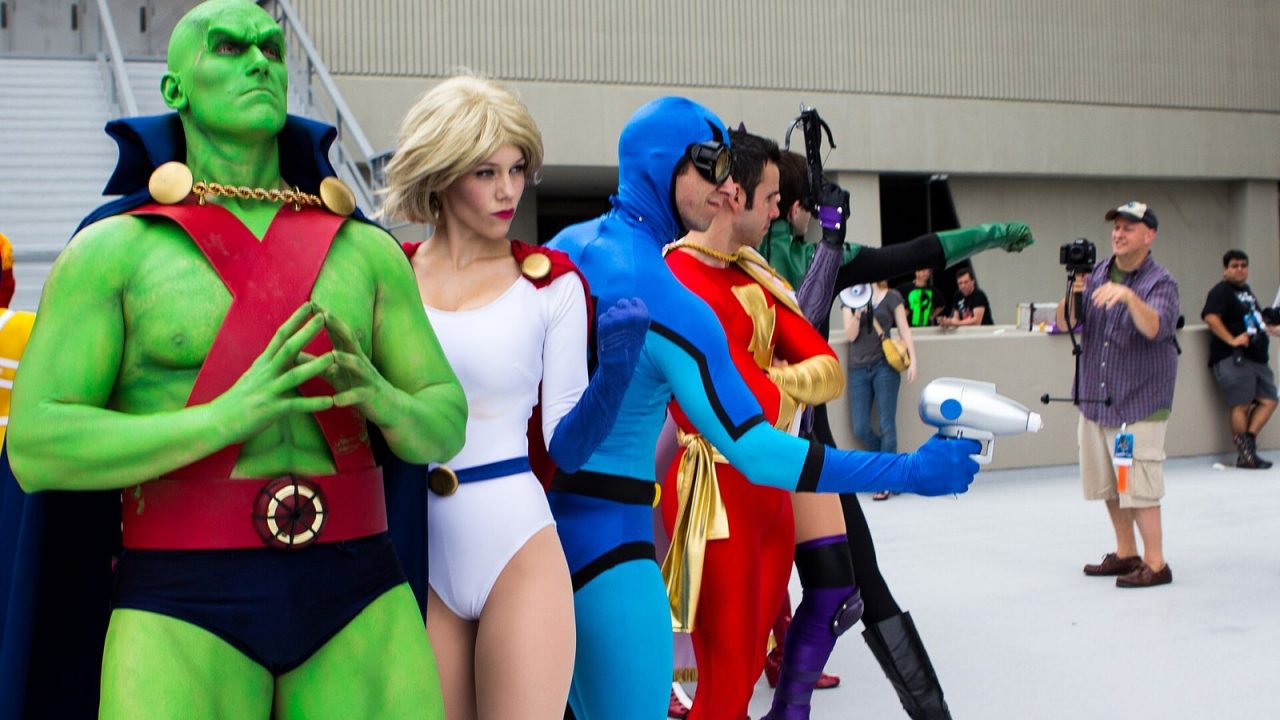
When people talk about DC Comics video games, the conversation usually turns quickly to Batman. The Dark Knight has starred in some of the most acclaimed licensed games ever made, and his shadow falls over almost everything else DC has done in games. But DC’s catalogue is much broader than Gotham City. Superman, Wonder Woman, the Justice League, Green Lantern, Aquaman, the Teen Titans and the Suicide Squad have all had games, with very mixed results.
This article surveys DC games that are not centred on Batman, explains why Superman in particular has struggled, looks at the team games and online worlds, and covers the projects that were cancelled. It also explains a key structural fact: unlike Marvel, DC’s video games are licensed and largely produced inside a single corporation, Warner Bros. Fighting games such as Injustice and LEGO titles are mentioned only in passing.
Why DC Games Work Differently: Warner Bros. as In-House Licensor
DC Comics has been part of Warner Bros. for decades, and Warner Bros. also owns a large video game division, now called Warner Bros. Games. That division includes studios such as Rocksteady Studios (acquired in 2010), WB Games Montréal, NetherRealm Studios (formed from the Midway assets Warner bought in 2009) and TT Games.
The result is that most major DC games since the late 2000s have been made and published within the same company that owns the characters. That is very different from Marvel, whose owner Disney licenses its heroes to outside publishers such as Sony, Square Enix and 2K. If you are curious about that contrast, our history of Marvel video games traces Marvel’s partnership model.
Being an in-house licensor has advantages: Warner can coordinate games with films, television and comics, and it keeps more of the revenue. But it also concentrates risk. When Warner’s games strategy changes, DC games change with it, and a single expensive failure can affect the whole slate. Before the late 2000s, DC licences were spread among many outside publishers, including Atari, Titus, EA, THQ and Sunsoft. Our explainer on how video game licensing works covers the general mechanics.
Superman: The Hardest Hero to Adapt
Superman was one of the first superheroes in video games. Superman for the Atari 2600, released in 1979, was an adventure game in which players had to rebuild a bridge, capture Lex Luthor and his henchmen and return to the Daily Planet, and it is often credited as an early example of a game with a free-roaming, multi-screen world.
Later games had a rougher time. A string of 8-bit and 16-bit titles, including Kemco’s NES game (1987), Taito’s arcade game (1988) and The Death and Return of Superman (1994), were mostly side-scrolling brawlers. Then came Superman 64 (1999), developed and published by Titus for the Nintendo 64, whose ring-flying challenges and technical problems made it one of the most notorious licensed games of all time.
The 2000s brought Superman: Shadow of Apokolips (2002), based on the animated series, and Superman: The Man of Steel (2002) for Xbox. Superman Returns (2006), developed by EA Tiburon and published by Electronic Arts, was the most ambitious attempt: a free-roaming Metropolis of around 80 square miles in which Superman could fly at great speed. Instead of a health bar for Superman, the game measured damage to the city itself. Critics were unimpressed, citing repetitive missions and a lack of real villains.
Why Superman is so difficult
- Invulnerability. Games depend on risk. A hero who cannot be hurt removes the usual sources of tension, forcing designers to invent artificial weaknesses or shift danger to civilians.
- Scale. Superman flies at enormous speed and can reach anywhere in a city in seconds, which strains world design and technology.
- Power balance. His powers are so broad, from heat vision to super-breath, that a game must either limit them or struggle to provide meaningful challenge.
- Kryptonite fatigue. Relying on kryptonite and powerful aliens for every fight quickly becomes repetitive.
As of October 2026, there had not been a major standalone Superman console game since 2006, though the character remained prominent in fighting games, LEGO games and team games.
Justice League and Team Games
Team games avoid some of Superman’s problems by sharing the spotlight. Justice League Task Force (1995) was a one-on-one fighting game for Super NES and Genesis. The more substantial effort came with Justice League Heroes (2006), developed by Snowblind Studios, the team behind the Baldur’s Gate: Dark Alliance games. It was a top-down action role-playing game for two players, starring Superman, Batman, Wonder Woman, the Flash, Green Lantern, Martian Manhunter and others, in a story about Brainiac. A separate Game Boy Advance version, Justice League Heroes: The Flash, focused on the speedster.
Other team games include Teen Titans (2006), based on the animated series and developed by Behaviour Interactive for THQ, and Young Justice: Legacy (2013), published by Little Orbit, which tied into the animated show of the same name and bridged its two seasons.
Other Solo Heroes: Green Lantern, Aquaman and Friends
- Green Lantern: Rise of the Manhunters (2011), developed by Double Helix Games and published by Warner Bros. Interactive, tied into the live-action film and let Hal Jordan create constructs with his ring.
- Aquaman: Battle for Atlantis (2003), developed by Lucky Chicken Games and published by TDK, was poorly received and is often cited as one of the weakest superhero games of its era.
- Wonder Woman has never had a released console game of her own, which makes the cancelled Monolith project discussed below all the more notable.
DC Universe Online
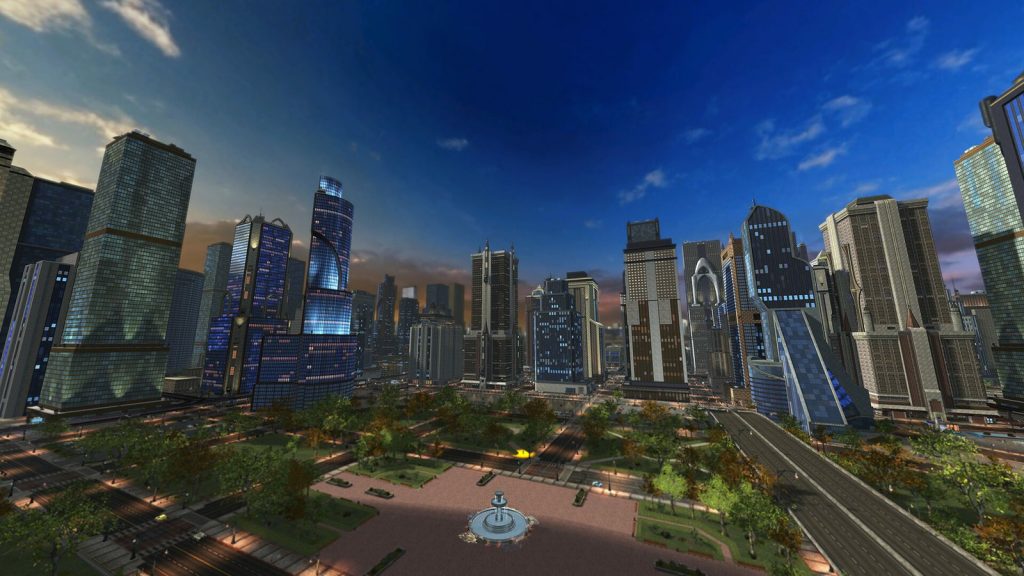
DC Universe Online launched in January 2011, developed by Sony Online Entertainment and co-published with Warner Bros. Interactive. It is an online action game in which players create their own hero or villain mentored by DC icons. The developer later became Daybreak Game Company, and the game moved to a free-to-play model. Its long life has made it, for many players, the main place to fly alongside Superman or fight beside Wonder Woman in a large open city.
Suicide Squad: Kill the Justice League
Rocksteady’s Suicide Squad: Kill the Justice League, published by Warner Bros. Games on February 2, 2024 for PlayStation 5, Xbox Series X|S and PC, put the Justice League in an unusual role: as the enemy. Set in the same universe as Rocksteady’s earlier games, five years after Arkham Knight, it sends Amanda Waller’s Task Force X, made up of Deadshot, Harley Quinn, Captain Boomerang and King Shark, to Metropolis to stop the alien Brainiac, who has brainwashed members of the Justice League.
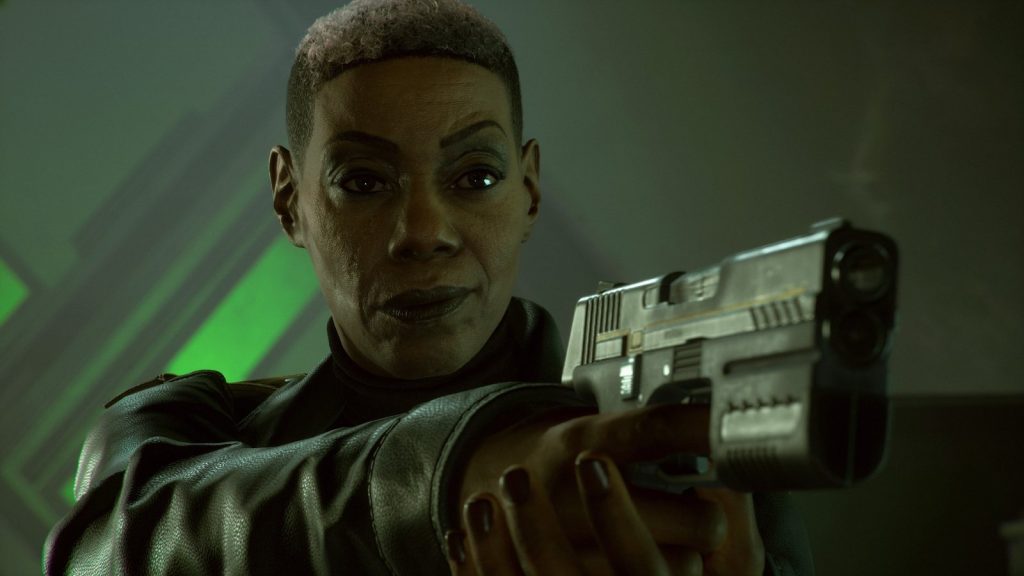
The game was designed as a live service, with post-launch seasons adding playable characters: the Joker, Mrs. Freeze, Lawless and Deathstroke. An offline mode arrived with the fourth season. Sales fell short of expectations, and Warner Bros. reported a loss of about $200 million related to the game in May 2024. Rocksteady ended new content in January 2025 after its final update. It was also notable as Kevin Conroy’s final performance as Batman, released after his death in November 2022.
Cancelled and Unreleased DC Games
DC’s game history includes several high-profile projects that never shipped. The most prominent recent example is Monolith Productions’ Wonder Woman game, announced in 2021 as an open-world action game. On February 25, 2025, Warner Bros. Games closed Monolith, along with Player First Games and WB Games San Diego, and the Wonder Woman project was cancelled. Warner said it would focus development on its core franchises.
Many other DC games were rumoured, pitched or reported as cancelled over the years, but details are often thin and based on unofficial accounts, so they are best treated with caution.
Timeline of Major Non-Batman DC Games
| Year | Game | Developer |
|---|---|---|
| 1979 | Superman (Atari 2600) | Atari |
| 1999 | Superman 64 | Titus |
| 2002 | Superman: Shadow of Apokolips | Infogrames |
| 2003 | Aquaman: Battle for Atlantis | Lucky Chicken Games |
| 2006 | Superman Returns | EA Tiburon |
| 2006 | Justice League Heroes | Snowblind Studios |
| 2006 | Teen Titans | Behaviour Interactive |
| 2011 | DC Universe Online | Sony Online Entertainment |
| 2011 | Green Lantern: Rise of the Manhunters | Double Helix Games |
| 2013 | Young Justice: Legacy | Little Orbit (publisher) |
| 2024 | Suicide Squad: Kill the Justice League | Rocksteady Studios |
What the Non-Batman Games Have in Common
Looking across four decades, a few patterns stand out. First, DC’s most powerful heroes have repeatedly been more successful as members of an ensemble than as solo stars; team games and fighting games let Superman and Wonder Woman shine without carrying a whole game’s challenge on their own. Second, many non-Batman DC games were tie-ins to films or animated series, such as Superman Returns, Green Lantern, Teen Titans and Young Justice, and inherited the short schedules that came with them. Third, Warner’s ownership means DC’s game output closely tracks the company’s wider priorities: when it invested heavily in live-service games, Suicide Squad was the result, and when it narrowed its focus in 2025, the Wonder Woman project was among the casualties.
For players, the practical upshot is that the best way to experience many DC heroes beyond Batman is still through ensemble games, while a truly great Superman or Wonder Woman game remains one of the most requested projects in superhero gaming.
Frequently Asked Questions
Is there a good Superman game?
Opinions vary, but no standalone Superman game is widely considered a classic. Many fans point to team games and fighting games as the best places to play as him.
Why does Batman get the best games?
Batman’s grounded abilities suit stealth, detective work and close combat, which map naturally to game design. Heroes with godlike powers are harder to challenge.
Is DC Universe Online still running?
The game has operated for over a decade as a free-to-play title; check the official site for its current status and platforms.