
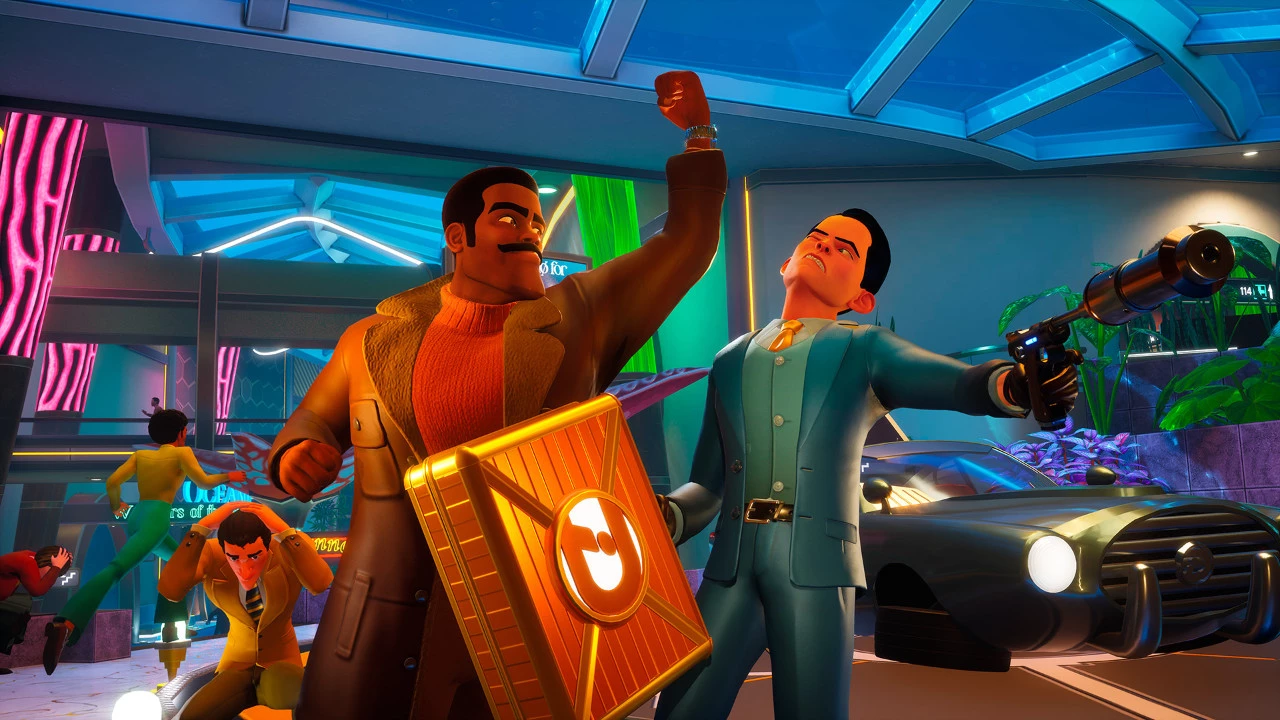
In an industry where live-service games frequently meet untimely ends, the story of Deceive Inc. stands out as a rare tale of resurrection and hope. The stylish multiplayer espionage game, which blends competitive stealth mechanics with a vibrant 1960s aesthetic, appeared destined for the digital graveyard after its original developer Sweet Bandits Studios shuttered its doors in 2024. However, in a surprising turn of events, a new development team has stepped forward to breathe fresh life into the beloved spy-themed shooter, offering fans a second chance to experience its unique blend of deception and disco-era charm.
The closure of Sweet Bandits Studios came as a devastating blow to the gaming community that had rallied around Deceive Inc. since its launch. The Montreal-based independent studio had poured years of creative energy into crafting a multiplayer experience that dared to be different from the battle royale juggernauts dominating the market. Players assumed the roles of elite spies working for a shadowy corporation, using disguises, gadgets, and cunning to infiltrate heavily guarded vaults while simultaneously sabotaging rival agents. The game’s distinctive visual style, reminiscent of classic spy films and mid-century modern design, earned it a dedicated following despite struggling to achieve mainstream commercial success.
The Rise and Fall of Sweet Bandits Studios
Sweet Bandits Studios emerged from the Canadian indie game scene with ambitious dreams of creating a multiplayer experience that prioritized social deduction and strategic thinking over pure reflexes. Deceive Inc. launched in early 2023 to generally positive reviews, with critics praising its innovative gameplay mechanics and distinctive art direction. The game allowed players to disguise themselves as NPCs, creating tense encounters where any character in the environment could potentially be a rival spy. This mechanic created memorable moments of paranoia and surprise that set it apart from traditional competitive shooters. However, the live-service model demands consistent player engagement and revenue streams, and despite the passionate community, the numbers simply weren’t sustainable for a small independent studio operating without the backing of a major publisher.
The challenges facing Deceive Inc. reflected broader industry trends that have claimed numerous live-service projects in recent years. Games like Knockout City, Rumbleverse, and countless others have been shut down despite having devoted player bases, as publishers increasingly view anything short of blockbuster success as failure. The live-service model requires continuous content updates, server maintenance, and community management—expenses that can quickly outpace revenue for games that fail to capture massive audiences. Sweet Bandits attempted to maintain the game through regular updates and seasonal content, but the financial realities of modern game development ultimately proved insurmountable for the small team.
A New Chapter Begins
The announcement that a new development team would be taking over Deceive Inc. represents a phenomenon that has become increasingly common in the gaming industry—the rescue of abandoned titles by passionate developers or alternative studios. While specific details about the new team remain limited, the decision to save rather than abandon the project suggests genuine belief in the game’s potential. This transition will likely involve significant technical and creative challenges, as the new developers must familiarize themselves with existing code, understand the community’s expectations, and chart a sustainable path forward. Similar rescues have occurred with other games, with varying degrees of success depending on the resources and vision of the incoming teams.
For the community of Deceive Inc. players who have kept the flame alive through fan Discord servers and social media campaigns, the news represents validation of their dedication. These players organized events, created content, and lobbied for the game’s survival even as official support dwindled. Their efforts mirror the communities that have saved other games from extinction, demonstrating that player passion can sometimes influence the trajectory of beloved titles. The disco-infused spy thriller now has another opportunity to find its audience, potentially learning from the mistakes of its initial launch while building upon the solid foundation that Sweet Bandits originally created.
The Future of Live-Service Gaming
The salvation of Deceive Inc. raises important questions about the sustainability of the live-service model and alternative approaches to keeping games alive. Some industry observers suggest that transitioning struggling live-service games to different monetization models or reducing their scope could provide viable paths to survival. Others point to community-driven solutions, including private servers and open-source development, as potential lifelines for games abandoned by their original creators. Whatever path the new Deceive Inc. team chooses, their success or failure will provide valuable lessons for an industry grappling with the human and creative costs of the current publishing paradigm. For now, fans of stylish espionage and competitive deception have reason to celebrate—their favorite game of spy versus spy lives to deceive another day.
Expert Opinion: The rescue of Deceive Inc. signals a potential shift in how the gaming industry handles abandoned live-service titles, with smaller teams and community-driven initiatives filling the void left by major publishers. This trend could establish new precedents for game preservation and sustainable development models. If successful, this revival may inspire similar efforts for other beloved but commercially underperforming titles, ultimately benefiting both developers seeking alternative career paths and players who refuse to let their favorite games disappear.