
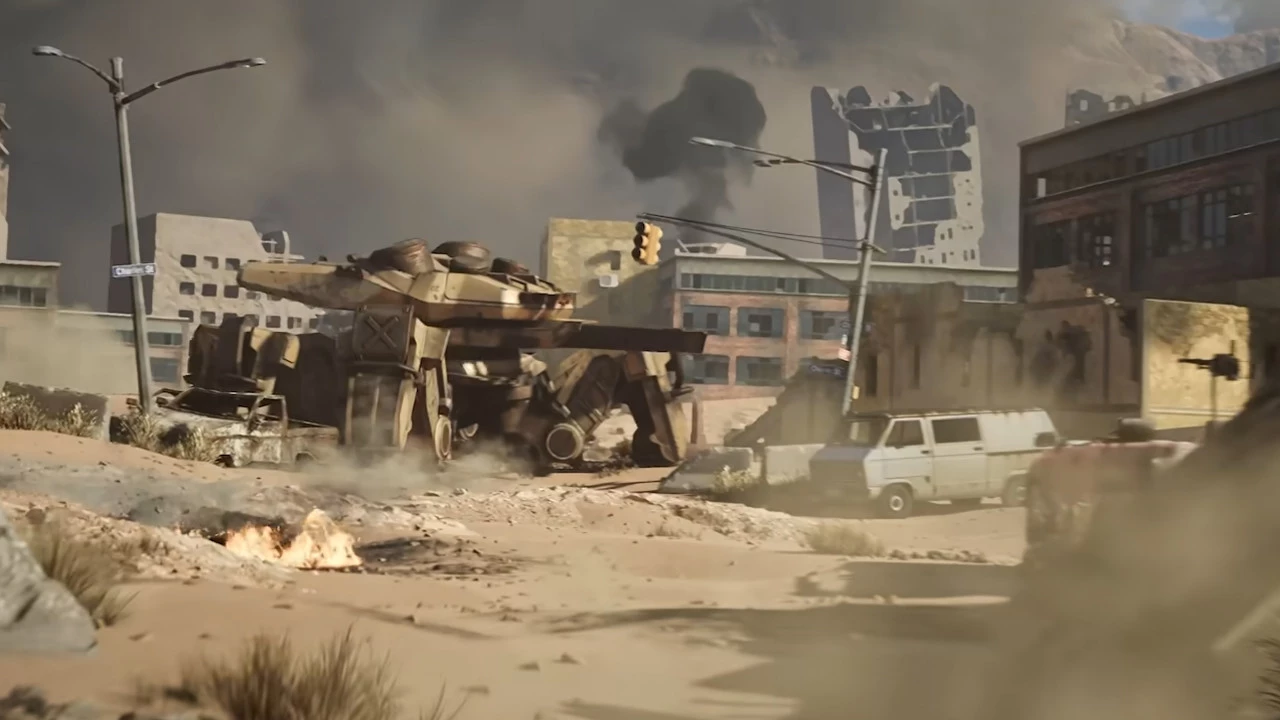
Paradox Interactive, the Swedish studio renowned for its complex grand strategy games, has taken its first steps in revealing details about their upcoming title Afterworld. Game Director Dan Lind, who previously led development on the critically acclaimed Hearts of Iron IV, has published the inaugural developer diary for this ambitious post-apocalyptic global strategy game. The announcement marks a significant departure from Paradox’s traditional focus on historical simulations and science fiction settings, raising questions about the studio’s creative direction and what drew them to explore a devastated future Earth.
The decision to venture into post-apocalyptic territory represents a fascinating shift for a developer whose portfolio includes historically-grounded titles like Cruserta Kings, Europa Universalis, and Victoria, as well as the space-faring Stellaris. In the developer diary, Lind and his team at Paradox addressed the central question on many fans’ minds: why choose a post-apocalyptic setting over the studio’s more familiar genres? The answer, according to the developers, lies in the unique storytelling and gameplay opportunities that only a world rebuilt from civilization’s ashes can provide.
Breaking New Ground in Grand Strategy
Paradox Interactive has built its reputation over more than two decades by creating intricate simulation games that allow players to reshape history or forge galactic empires. Founded in 1999, the Stockholm-based company has cultivated a dedicated community of players who appreciate deep mechanics, complex diplomacy systems, and emergent storytelling. Hearts of Iron IV, released in 2016 and still receiving regular updates and expansions, demonstrated the studio’s ability to simulate World War II with remarkable depth, featuring everything from military logistics to political ideologies and technological research trees.
Dan Lind’s involvement as Game Director brings considerable expertise to Afterworld. His work on Hearts of Iron IV showed a mastery of balancing historical authenticity with engaging gameplay mechanics. Under his direction, that title became one of Paradox’s most commercially successful games, attracting millions of players worldwide. The transition to a fictional post-apocalyptic setting, however, presents both challenges and opportunities. Without historical events to serve as guardrails, the development team has creative freedom to design entirely new factions, technologies, and conflict scenarios from the ground up.
The Appeal of Post-Apocalyptic Worldbuilding
The post-apocalyptic genre has proven remarkably resilient in gaming, with titles like the Fallout series, Metro franchise, and countless others demonstrating sustained player interest in exploring devastated worlds. For a grand strategy game, this setting offers unique advantages. Unlike historical simulations where outcomes are partially predetermined by real events, or space games where the scope can feel disconnected from human stakes, a post-apocalyptic Earth provides familiar geography transformed by catastrophe. Players can recognize continents and regions while experiencing them in an entirely new context, creating an immediate emotional connection to the game world.
The developer diary suggests that Afterworld will explore themes of rebuilding society, managing scarce resources, and navigating the political landscape of a shattered world. These elements align naturally with Paradox’s strengths in creating complex economic and diplomatic systems. The studio has historically excelled at simulating the rise and fall of civilizations, and a post-apocalyptic setting essentially allows them to focus on the rebuilding phase, where every decision carries weight and the future remains genuinely uncertain. This represents a departure from their historical titles, where players often work within established power structures, instead offering a blank slate for civilization-building.
Looking Ahead to Future Revelations
The first developer diary marks just the beginning of what promises to be an extensive communication campaign leading up to Afterworld’s eventual release. Paradox has traditionally maintained strong relationships with its community through regular developer updates, beta testing programs, and post-launch support that can extend for years after initial release. The studio’s business model, which emphasizes ongoing development through downloadable content and expansions, means that Afterworld could potentially receive support for a decade or more if it achieves the success of titles like Crusader Kings III or Europa Universalis IV.
Industry observers will be watching closely to see how Paradox adapts its signature complexity to this new setting. The company has faced both triumphs and challenges in recent years, with some releases receiving criticism for launching in incomplete states. However, the involvement of experienced leadership like Dan Lind suggests a measured approach to development. As more developer diaries emerge in the coming months, players can expect detailed breakdowns of game mechanics, faction designs, and the specific apocalyptic scenario that sets the stage for Afterworld’s conflicts.
Expert Opinion: Paradox’s move into post-apocalyptic territory represents a calculated risk that could expand their audience beyond traditional grand strategy enthusiasts. The setting’s inherent flexibility allows for innovative gameplay systems without the constraints of historical accuracy, while Dan Lind’s proven track record suggests the project is in capable hands. If successful, Afterworld could establish an entirely new franchise pillar for the Swedish publisher alongside their established historical and science fiction properties.