
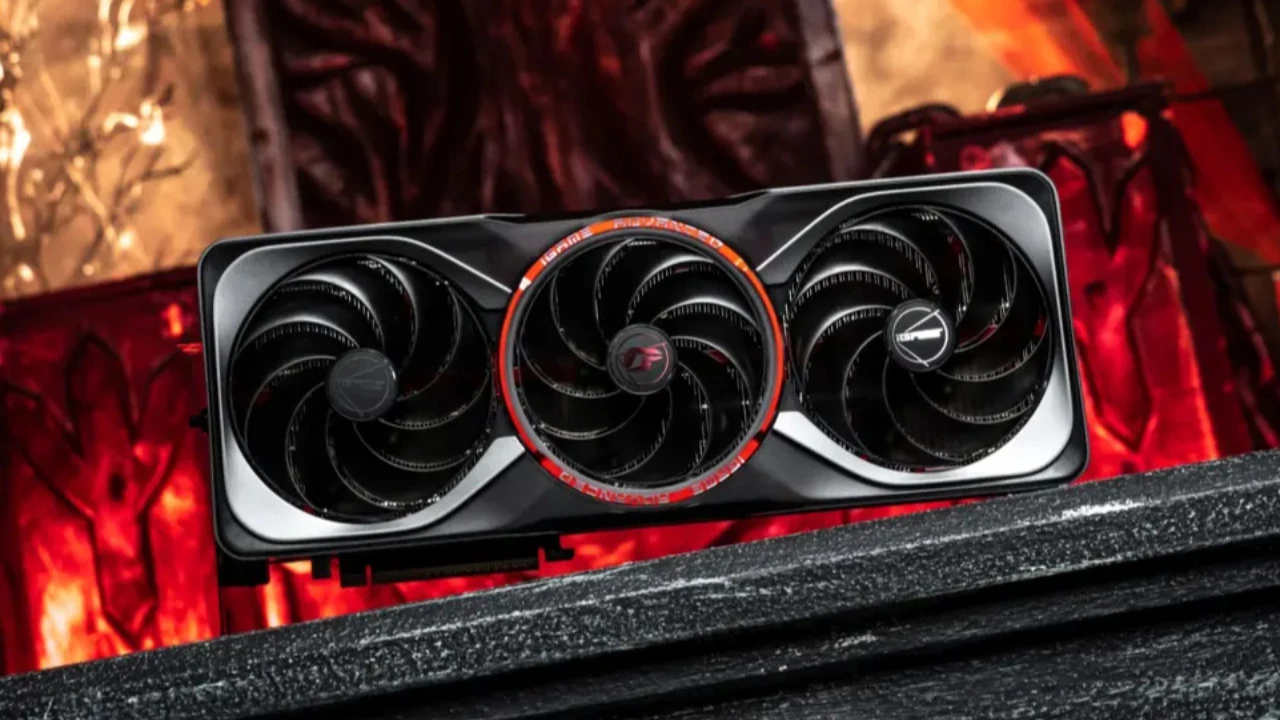
A recent breakthrough by hardware enthusiasts has exposed a concerning issue with NVIDIA’s latest GeForce RTX 50 series graphics cards. By restoring access to Hotspot temperature monitoring—a feature that tracks the hottest point on the GPU die—users have begun discovering alarming thermal readings that are prompting the first wave of product returns. This development has sent ripples through the PC gaming and enthusiast community, raising questions about quality control and thermal design in NVIDIA’s newest flagship products.
The Hotspot Temperature Mystery Unveiled
The controversy began when technically skilled users found ways to bypass NVIDIA’s decision to hide Hotspot temperature readings from standard monitoring software on RTX 50 series cards. Hotspot monitoring, also known as junction temperature measurement, provides crucial data about the absolute maximum temperature occurring anywhere on the GPU die, as opposed to the edge temperature that is typically displayed. This metric is essential for understanding true thermal performance, as localized hot spots can cause throttling, reduced performance, and potentially long-term damage to the silicon even when average temperatures appear acceptable.
NVIDIA’s choice to obscure this data from users initially went unnoticed by casual consumers, but enthusiasts quickly recognized the absence of this important monitoring capability. Through firmware modifications and specialized software tools, community members managed to restore access to these hidden sensors. What they discovered was troubling: some RTX 50 series cards were exhibiting Hotspot temperatures significantly higher than expected, with reports of readings exceeding safe operational thresholds even under moderate workloads.
Industry Context and Thermal Design Challenges
The thermal challenges facing modern graphics cards have grown increasingly complex with each generation. The RTX 50 series, built on NVIDIA’s latest architecture, pushes the boundaries of transistor density and power consumption. Modern high-end GPUs can consume over 400 watts of power, generating substantial heat that must be efficiently dissipated to maintain stable operation. The relationship between die size, power density, and cooling solutions has become a critical engineering challenge that even industry leaders struggle to perfect.
Historically, Hotspot temperatures have always run higher than edge temperatures—typically by 10-20 degrees Celsius—due to the uneven distribution of heat-generating components across the GPU die. However, reports from RTX 50 series owners suggest temperature differentials far exceeding normal parameters. Some users have documented Hotspot readings approaching or exceeding 110°C, which sits dangerously close to thermal shutdown thresholds and well above temperatures considered safe for long-term silicon health. These findings have prompted concerned owners to initiate return processes with retailers and directly with NVIDIA.
Consumer Response and Market Implications
The revelation has triggered a wave of returns and warranty claims from concerned consumers. Early adopters who paid premium prices for RTX 50 series cards—often exceeding $1,500 for top-tier models—are understandably frustrated by the discovery of potentially inadequate thermal performance. Online forums and social media platforms have seen an uptick in users sharing their thermal testing results and documenting their return experiences. Some retailers have reportedly begun accepting returns without resistance, recognizing the legitimacy of thermal concerns backed by measurable data.
The situation places NVIDIA in a delicate position. The company has not yet issued an official statement addressing the Hotspot temperature controversy or explaining why this monitoring data was hidden from users in the first place. Industry analysts suggest that NVIDIA may have anticipated that exposing these readings could cause unnecessary alarm, as Hotspot temperatures naturally run significantly higher than traditionally reported figures. However, the decision to obscure rather than educate has backfired, creating a trust deficit with the enthusiast community that has historically served as NVIDIA’s most vocal advocates and early adopters.
Moving forward, this incident may prompt broader industry discussions about transparency in hardware specifications and the right of consumers to access complete performance data about products they purchase. As graphics cards continue to increase in both capability and cost, buyers rightfully expect full disclosure of operational characteristics. Whether NVIDIA will respond with improved thermal solutions, revised monitoring policies, or enhanced quality control remains to be seen, but the RTX 50 Hotspot controversy has certainly set a new precedent for community-driven accountability in the hardware industry.
Expert Opinion: This situation underscores a growing tension between manufacturers seeking to control product narratives and an increasingly sophisticated enthusiast community capable of independent verification. NVIDIA will likely need to address both the technical thermal concerns and the transparency issue to restore consumer confidence. Expect future GPU releases from all manufacturers to face more rigorous community thermal analysis as a result of this precedent.