
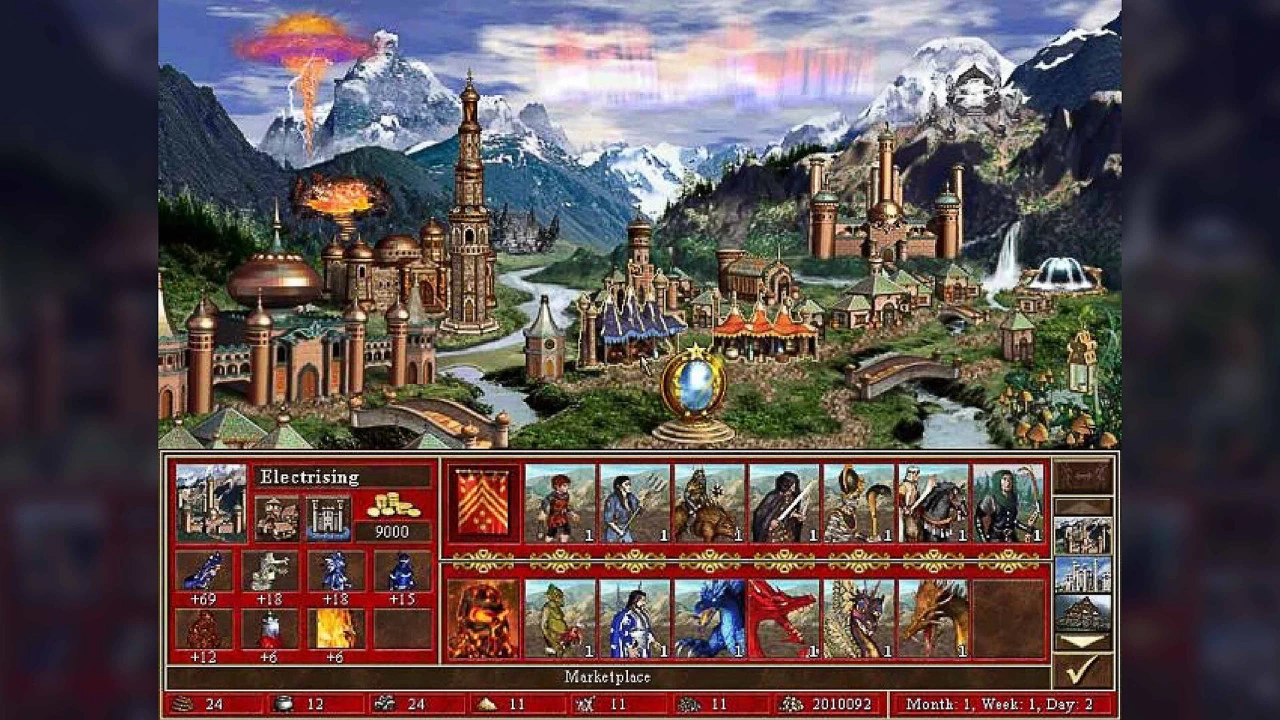
After years of persistent requests from devoted fans, Ubisoft has finally released the original version of Heroes of Might and Magic III on Steam. The beloved 1999 strategy classic has been a subject of community demands ever since the controversial 2015 HD Edition disappointed players by omitting crucial content. However, the celebration has been somewhat dampened by what many gamers are calling questionable pricing practices from the French publisher.
A Long-Awaited Return to Form
Heroes of Might and Magic III, developed by New World Computing and originally published by 3DO Company, is widely considered one of the greatest turn-based strategy games ever created. The game combined fantasy world-building, resource management, and tactical combat in a way that captivated millions of players worldwide. When Ubisoft released the HD Edition in 2015, fans were initially excited but quickly became frustrated when they discovered the remaster lacked the beloved expansions “Armageddon’s Blade” and “The Shadow of Death,” as well as the random map generator that had provided endless replayability.
The original Complete Edition, which includes all expansions and features, has remained the definitive way to experience the game. For years, players had to rely on GOG.com or physical copies to access the full experience, while Steam users were stuck with the incomplete HD version. This disparity created a vocal community movement demanding Ubisoft bring the complete original game to Valve’s platform.
The Controversy Over Pricing
While the arrival of the original Heroes 3 on Steam should have been cause for unqualified celebration, Ubisoft has managed to generate controversy around the release. Many players have expressed frustration over what they perceive as exploitative pricing strategies. Reports indicate that the game is being offered at a premium price point that some consider excessive for a 26-year-old title, especially when compared to pricing on competing platforms like GOG.com where the same game has been available for years at lower costs.
Additionally, some players have noted concerns about the implementation of the release, questioning whether Ubisoft has simply packaged the existing GOG version with minimal effort while charging Steam users more. The gaming community has become increasingly sensitive to perceived cash-grab tactics from major publishers, and Ubisoft’s handling of this release has unfortunately reinforced negative perceptions about the company’s approach to classic game preservation and monetization.
The Legacy of Heroes 3
Despite the current controversy, Heroes of Might and Magic III remains an undisputed masterpiece of the strategy genre. Released on February 28, 1999, the game sold millions of copies and spawned a dedicated competitive community that continues to host tournaments to this day. The game’s influence can be seen in countless strategy titles that followed, and its pixel-art aesthetic and memorable soundtrack have achieved iconic status among gaming enthusiasts. Countries in Eastern Europe, particularly Poland, Russia, and Ukraine, developed especially passionate Heroes 3 communities where the game achieved almost cultural phenomenon status.
The random map generator, conspicuously absent from the HD Edition, was particularly beloved as it allowed players to generate endless unique scenarios, dramatically extending the game’s longevity. Combined with the additional campaigns, units, and features from the expansion packs, the Complete Edition offered hundreds of hours of content that the stripped-down HD version simply could not match. Now that Steam users finally have access to this definitive version, many hope it will introduce a new generation of players to this timeless classic, even if the path to get here has been frustratingly long and somewhat tainted by pricing concerns.
Expert Opinion: Ubisoft’s handling of the Heroes 3 Steam release exemplifies a broader industry problem where publishers treat nostalgic properties as easy revenue streams rather than opportunities to genuinely serve their communities. While the game’s presence on Steam will undoubtedly boost accessibility, the pricing controversy may ultimately overshadow the release and further erode trust between Ubisoft and its increasingly skeptical customer base. Publishers would do well to remember that goodwill, once lost, is far more expensive to rebuild than the short-term profits gained from aggressive monetization.