
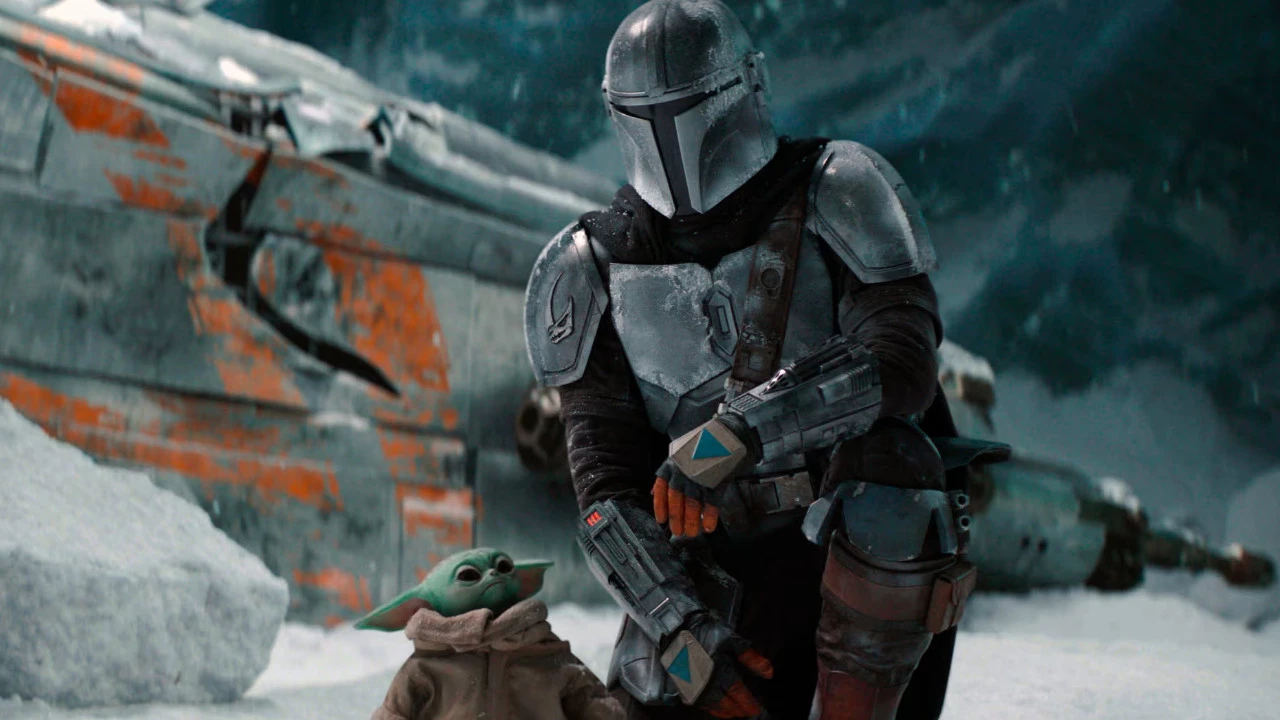
The Mandalorian & Grogu has officially concluded its theatrical run, recording a final worldwide box office total of $340.4 million. This figure marks a significant milestone in Star Wars cinema history, but not the kind Disney and Lucasfilm were hoping for. The film, which brought the beloved Disney+ series characters to the big screen for the first time, has earned the unfortunate distinction of becoming the lowest-grossing theatrical release in the entire Star Wars franchise. Despite featuring the immensely popular character Grogu, affectionately known as Baby Yoda by fans worldwide, the film failed to capture the theatrical audience that previous Star Wars installments commanded.
A Troubled Path to Theaters
The journey of The Mandalorian & Grogu from streaming sensation to theatrical release was always going to be a challenging transition. When the original Mandalorian series debuted on Disney+ in November 2019, it became an instant cultural phenomenon. Baby Yoda merchandise flew off shelves, social media exploded with memes, and the show was credited with helping establish Disney+ as a major streaming competitor. The character of Grogu became so popular that many believed he single-handedly justified Disney’s streaming ambitions. However, translating that streaming success to theatrical revenue proved far more difficult than anticipated.
The film faced multiple headwinds entering the theatrical market. Audience habits have shifted dramatically since the pandemic, with many viewers now preferring to watch content from home rather than visiting theaters. Additionally, some analysts suggest that making the film available exclusively in theaters may have alienated fans who had grown accustomed to watching The Mandalorian from their living rooms. The decision to transition a streaming property to a theatrical release, rather than the traditional opposite direction, represented an unusual and risky strategy for Disney.
Historical Context: Star Wars Box Office Legacy
To understand the significance of this underperformance, one must consider the remarkable box office history of the Star Wars franchise. The original Star Wars film from 1977 revolutionized cinema and earned over $775 million worldwide, an astronomical sum for its era. When adjusted for inflation, that figure exceeds $3 billion in today’s dollars. The franchise continued to dominate throughout subsequent decades, with The Force Awakens (2015) earning over $2 billion globally and becoming the highest-grossing domestic release of all time. Even the critically divisive films in the sequel trilogy managed to earn substantial returns, with The Last Jedi grossing $1.3 billion and The Rise of Skywalker earning $1.07 billion.
Previous Star Wars theatrical releases that were considered disappointments still significantly outperformed The Mandalorian & Grogu. Solo: A Star Wars Story, released in 2018 and widely regarded as a commercial failure that prompted Disney to reassess its Star Wars strategy, still managed to earn $393 million worldwide. The fact that The Mandalorian & Grogu couldn’t match even Solo’s figures raises serious questions about the viability of transitioning streaming content to theatrical releases. Industry experts note that the film’s $340.4 million total, while substantial in absolute terms, likely resulted in minimal profit or even a loss when factoring in production costs, marketing expenses, and theater revenue sharing.
What This Means for the Future of Star Wars
The underwhelming performance of The Mandalorian & Grogu arrives at a critical juncture for Lucasfilm and its parent company Disney. The studio has been working to rebuild momentum for the Star Wars brand following mixed reception to the sequel trilogy. Multiple film projects have been announced and subsequently delayed or canceled, including previously planned features from directors Patty Jenkins, Taika Waititi, and Kevin Feige. The success or failure of The Mandalorian & Grogu was seen by many industry observers as a bellwether for future Star Wars theatrical ambitions.
Moving forward, Disney faces difficult decisions about how to deploy the Star Wars brand. The company must determine whether the franchise’s future lies primarily in streaming content, theatrical releases, or some hybrid approach. Some analysts suggest that Star Wars may have reached a saturation point with audiences, while others argue that the right project with fresh creative vision could still generate blockbuster returns. What remains clear is that even the most beloved characters, like the adorable Grogu, cannot guarantee theatrical success in today’s fractured entertainment landscape. The era of automatic billion-dollar Star Wars films may have definitively ended.
Expert Opinion: This result signals a fundamental shift in how studios must approach franchise management in the streaming era. The assumption that streaming popularity automatically translates to theatrical demand has been thoroughly debunked. Moving forward, Disney will likely need to develop separate, more spectacular content specifically designed for theatrical experiences while maintaining streaming-first strategies for series-based storytelling.