
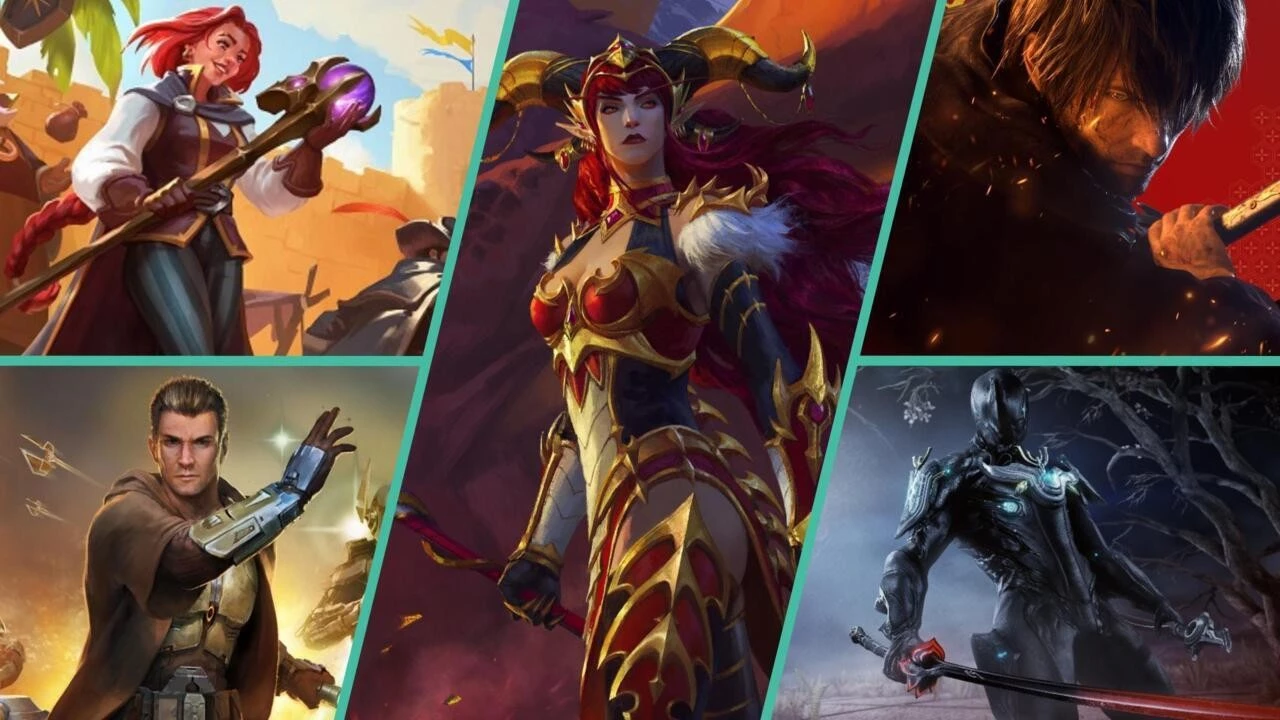
Just a few years ago, it seemed that the MMORPG genre was on the verge of a new renaissance. Players eagerly awaited massive announcements, developers promised enormous living worlds, and every new online game had the potential to become the next big phenomenon. Major studios invested billions into ambitious projects, while indie developers explored innovative approaches to persistent online worlds. The gaming community buzzed with anticipation, discussing leaked screenshots and analyzing every developer interview for hints about upcoming features. But in 2026, the situation looks entirely different, leaving many veteran players wondering what happened to their beloved genre and whether it can still deliver the experiences they crave.
Key Takeaways
- Development budgets now routinely exceed $200 million, making publishers risk-averse after high-profile flops like New World’s 900k-to-20k player collapse
- Free-to-play monetization has eroded trust, while subscriptions struggle to compete with one-time-purchase games offering hundreds of hours
- Final Fantasy XIV and Guild Wars 2 prove respectful monetization and consistent updates can still sustain large communities
- Multi-game lifestyles and Discord-based communities now matter more than loyalty to a single title
- VR, AI-assisted content, and cloud gaming are the most credible vectors for genre reinvention, though none are ready today
The MMORPG landscape has undergone significant transformation since the golden era of World of Warcraft, which at its peak boasted over 12 million subscribers and redefined what online gaming could achieve. That 2004 release built upon the foundations laid by earlier titles like Ultima Online, EverQuest, and Lineage, creating a template that developers would follow for nearly two decades. However, the formula that once captivated millions has shown signs of fatigue. Players who grew up spending countless hours in Azeroth, Norrath, or Middle-earth now find themselves juggling careers, families, and increasingly fragmented gaming time. The genre that demanded dedication and time investment struggles to adapt to modern lifestyles.
Why Making MMORPGs Costs More Than Ever
The financial realities of MMORPG development have become increasingly challenging. Creating a competitive massively multiplayer experience now requires budgets that can exceed $200 million, with ongoing server costs, content updates, and community management adding millions more annually. Recent high-profile disappointments have made investors cautious. Projects like New World, which Amazon Games launched in 2021 with tremendous fanfare, experienced dramatic player count drops from over 900,000 concurrent players to fewer than 20,000 within months. Similarly, highly anticipated titles have either been cancelled during development or launched to lukewarm receptions, failing to recoup their substantial investments.
The free-to-play model, once heralded as the solution to declining subscription numbers, has created its own set of problems. Aggressive monetization strategies have alienated core audiences who feel nickel-and-dimed for content that previous generations received as part of their monthly subscriptions. Pay-to-win mechanics, limited inventory systems, and cosmetic items priced higher than entire standalone games have eroded trust between developers and players. Meanwhile, the subscription model that built the genre faces constant pressure to justify its monthly cost against an endless stream of free alternatives and single-player experiences that offer hundreds of hours of content for a one-time purchase.
Adjusting Expectations Without Losing the Magic
| Factor | Representative Figure |
|---|---|
| Typical AAA budget | $200 million+ |
| WoW peak subscribers (2010) | 12 million |
| New World launch peak | 900,000 concurrent |
| New World months later | <20,000 concurrent |
Despite these challenges, opportunities for meaningful MMORPG experiences still exist for players willing to adjust their expectations and approach. The key lies in understanding that the genre has evolved beyond the single-game commitment that defined earlier eras. Modern players often maintain relationships with multiple games, spending time in different worlds based on what each offers. Final Fantasy XIV continues to demonstrate that story-driven, respectfully monetized MMORPGs can thrive, with its Dawntrail expansion showing that quality content development remains viable. Guild Wars 2 maintains its dedicated community through consistent updates and a buy-to-play model that respects player investment.
Community building has emerged as perhaps the most crucial factor in enjoying MMORPGs in the current era. The games themselves may have changed, but the social connections that made these worlds special remain available to those who seek them. Discord servers, streaming communities, and dedicated guilds create spaces where players can share experiences regardless of which specific game they inhabit. Some players have found renewed enjoyment by participating in classic server experiences, returning to older versions of beloved games where the pace felt more deliberate and the journey mattered more than the destination. Others have embraced newer entries in adjacent genres, such as survival games with persistent servers or cooperative action RPGs that capture elements of the MMORPG experience without requiring the same time commitment.
What Emerging Tech Could Actually Change
The future of MMORPGs may ultimately depend on technological advances that could fundamentally reshape how these games are created and experienced. Cloud gaming technology promises to lower hardware barriers, potentially expanding audiences in regions where high-performance PCs remain expensive. Artificial intelligence tools are beginning to assist developers in creating more dynamic and responsive worlds, potentially addressing the content treadmill that has exhausted both creators and players. Some studios are exploring blockchain-based economies, though this approach remains controversial among traditional MMORPG communities concerned about speculation and real-money trading disrupting game balance.
Virtual reality and augmented reality technologies continue their gradual march toward mainstream adoption, raising possibilities for more immersive online worlds. While current VR MMORPGs remain limited in scope, the technology improves annually, and major studios have acknowledged exploring these platforms for future projects. The metaverse concept, despite its association with troubled corporate initiatives, hints at interconnected virtual spaces that could revitalize the persistent world concept in unexpected ways. For players who fell in love with MMORPGs during their formative years, the path forward may require embracing change while honoring the social connections and sense of adventure that made these games meaningful. The genre may look different in 2026 and beyond, but the fundamental human desire for shared virtual experiences and collaborative adventures remains as strong as ever.
Navigating a Genre in Transition
The numbers paint a clear picture: making a new MMORPG is a gamble few publishers want to take, and the ones that do launch face brutal player churn. That shifts power toward established titles with proven retention—FFXIV, Guild Wars 2, ESO—while newcomers must either find a niche or burn through venture capital.
For players, the practical takeaway is to treat no single game as a permanent home. Building social circles that can migrate between titles, or joining communities organized around the genre rather than one game, insulates you from the disappointment of shutdowns and content droughts.
Emerging tech gets hyped every year, but the realistic timeline is slow. Cloud gaming lowers the entry barrier; AI might help studios keep up with content demands; VR remains a novelty. None of these will ‘save’ the genre overnight, but together they could widen its appeal over the next five years.
The healthiest mindset in 2026 is pragmatic optimism: expect fewer blockbuster launches, prioritize games that respect your time, and remember that the friendships forged in these worlds outlast any individual server.
Common Questions
Are MMORPGs dying in 2026?
Not dying, but consolidating. Fewer new titles get greenlit because development costs have soared and recent launches disappointed investors. The games that remain—FFXIV, GW2, ESO, WoW—continue to pull stable audiences, so the genre is shrinking in variety, not vanishing.
Which MMORPGs still respect player time and money?
Final Fantasy XIV and Guild Wars 2 are frequently cited. FFXIV uses a subscription but delivers large story expansions; GW2’s buy-to-play model avoids pay-to-win mechanics. Both let casual players progress meaningfully.
Will VR or AI change online RPGs soon?
Not imminently. VR MMOs exist but lack the scope of traditional titles; AI tools are helping developers prototype content faster, yet no major release has shipped with transformative AI-driven worlds. Expect incremental improvements over years, not a sudden leap.
Expert Opinion: Industry analysts suggest that the MMORPG genre is entering a period of consolidation rather than extinction, with fewer but higher-quality titles competing for player attention. The most successful games of the next decade will likely combine the social infrastructure that made classic MMORPGs compelling with modern respect for player time and flexible engagement models. Players who focus on community connections rather than specific game mechanics will find the most sustainable enjoyment in this evolving landscape.