
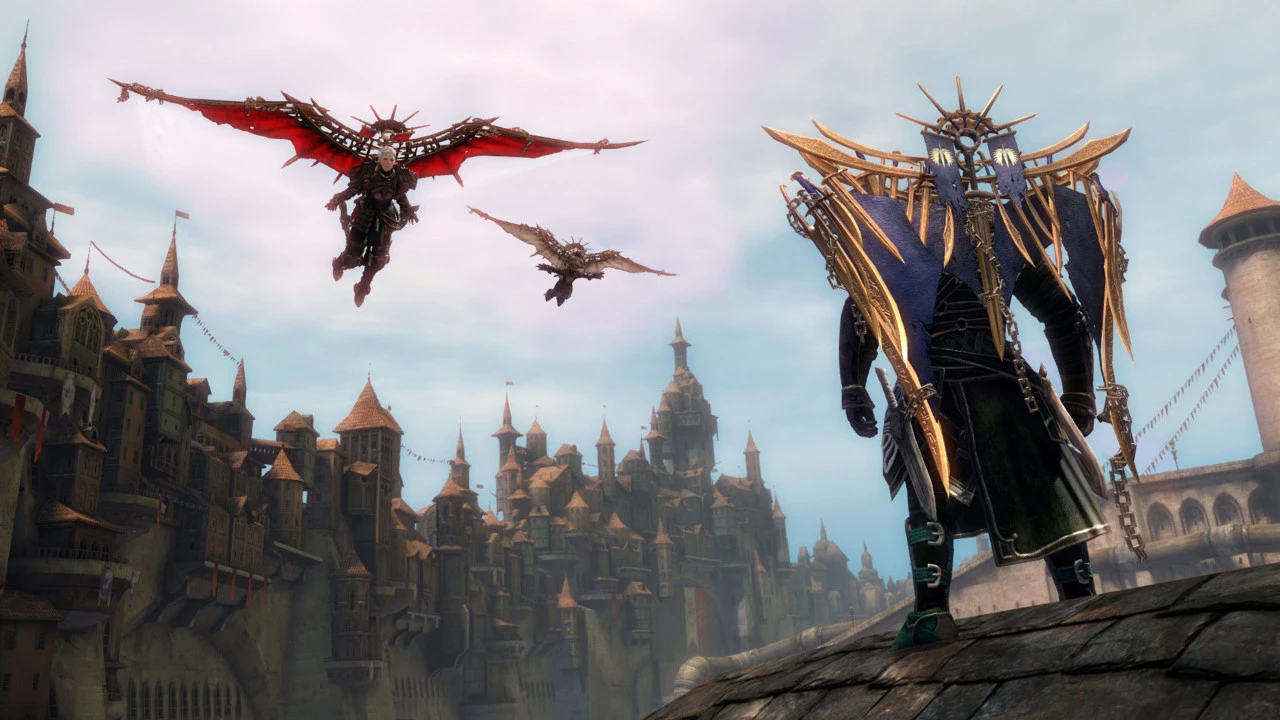
The dedicated community of Guild Wars 2 players has launched an ambitious initiative to create and maintain a comprehensive Russian localization for the popular MMORPG. This fan-driven project aims to make the game more accessible to Russian-speaking players who have long requested official language support from developer ArenaNet. The grassroots effort represents one of the most significant community translation projects in the game’s history, demonstrating the remarkable dedication of the Guild Wars 2 fanbase.
Guild Wars 2, developed by ArenaNet and published by NCSoft, has been a major player in the MMORPG market since its initial release in August 2012. The game has attracted millions of players worldwide with its innovative approach to the genre, including dynamic events, the absence of traditional subscription fees, and its unique World versus World PvP system. However, despite its global appeal, the game has never received an official Russian localization, leaving a substantial portion of potential players to navigate the complex fantasy world in English or other supported languages.
The Scope of the Fan Translation Project
The community-driven Russian localization project is a massive undertaking that involves translating thousands of lines of dialogue, quest descriptions, item names, skill descriptions, and user interface elements. Guild Wars 2 contains an enormous amount of text content, including the base game and multiple expansions such as Heart of Thorns, Path of Fire, and End of Dragons. Volunteer translators have organized themselves through community forums and social media platforms, establishing quality control processes and standardizing terminology to ensure consistency across the entire translation.
Fan localization projects for major video games have a rich history in the gaming community. Similar efforts have been undertaken for titles like Final Fantasy, various Japanese RPGs, and other MMORPGs that lack official support for certain languages. These projects often face significant challenges, including keeping up with game updates, maintaining translation quality, and navigating legal gray areas regarding modification of game files. However, many developers have historically tolerated or even quietly supported such initiatives, recognizing the value they bring in expanding the game’s accessibility.
Technical Implementation and Community Response
The Russian language pack reportedly works through modification of the game’s text files, allowing players to see translated content while maintaining full functionality of the game. This approach is similar to other successful fan localization projects and typically does not interfere with the game’s online components or anti-cheat systems. The translation team has established dedicated channels for bug reports and feedback, allowing the community to contribute to ongoing improvements and corrections as they play through the translated content.
The response from the Russian-speaking Guild Wars 2 community has been overwhelmingly positive. Many players have expressed gratitude for the volunteer effort, noting that the language barrier had previously prevented them from fully engaging with the game’s rich lore and storyline. The Living World episodes, which continue to expand the game’s narrative, represent a particularly text-heavy portion of content that benefits significantly from localization. Players who previously relied on external translation tools or struggled through English dialogue can now experience the full depth of the game’s storytelling.
Implications for the Future of Guild Wars 2
This fan initiative raises interesting questions about the future of Guild Wars 2’s official language support. ArenaNet has traditionally focused on English, German, French, and Spanish localizations, with the studio citing resource constraints as a factor in not expanding to additional languages. The success and quality of this community project may demonstrate sufficient demand to warrant official consideration, though such decisions involve complex factors including ongoing support costs, voice acting considerations, and market analysis. For now, the Russian-speaking community has taken matters into their own hands, creating a solution that allows them to fully enjoy one of the genre’s most beloved titles.
Expert Opinion: Fan-driven localization projects like this one often serve as proof of concept for developers, demonstrating both market demand and the feasibility of translation. If ArenaNet observes strong engagement metrics from Russian-speaking regions following this initiative, it could potentially influence future localization decisions, especially as the studio continues to develop new content and seeks to expand its global player base.