
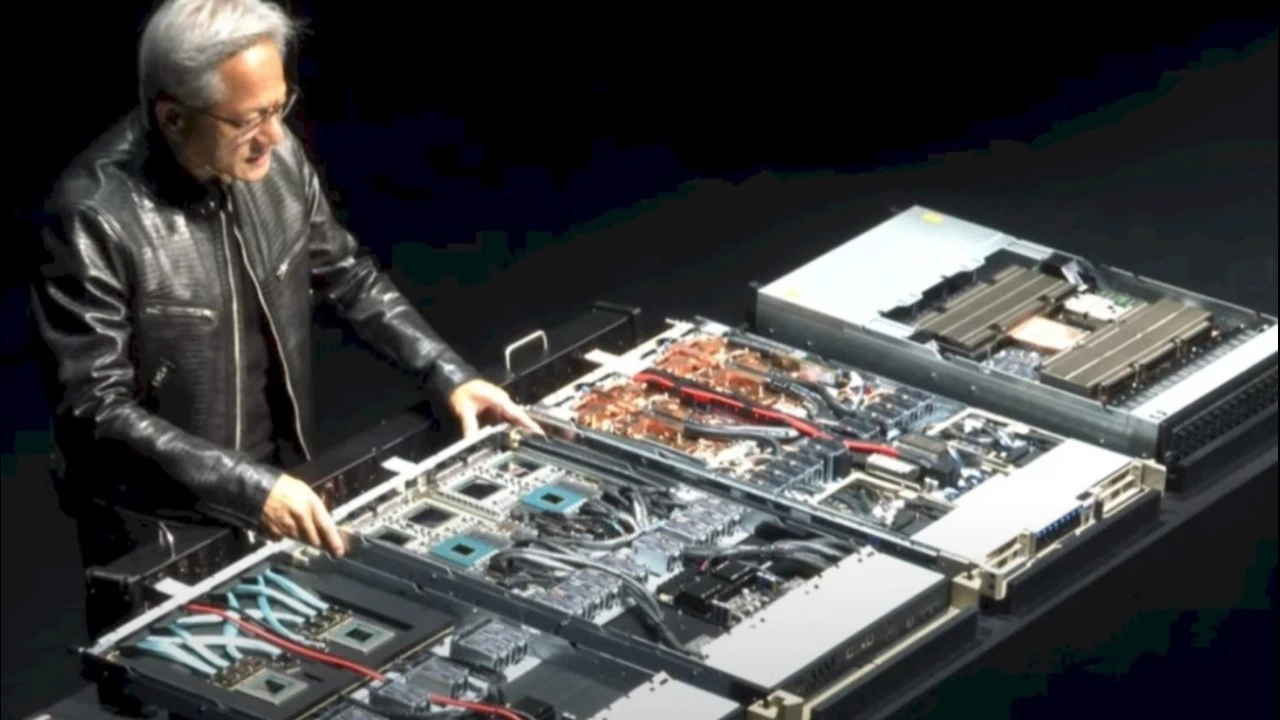
NVIDIA’s latest server platform, Vera Rubin, promises superhero-level computational power for artificial intelligence and high-performance computing workloads. However, this extraordinary capability comes with an equally extraordinary price tag that has industry observers raising eyebrows. A single NVL72 system configuration reportedly costs millions of dollars, with the bulk of that expense attributed to the unprecedented quantity of memory modules required to power these cutting-edge machines.
The Vera Rubin architecture represents NVIDIA’s next evolutionary leap in data center GPU technology, designed to handle the increasingly demanding requirements of large language models, generative AI applications, and scientific computing. Named after the pioneering American astronomer who provided crucial evidence for dark matter, the platform aims to illuminate new possibilities in artificial intelligence research and deployment. Industry analysts suggest that individual NVL72 configurations could range anywhere from $3 million to $5 million or more, depending on specific configurations and memory density options.
The Memory Challenge Driving Costs Skyward
The astronomical pricing of the Vera Rubin platform stems primarily from its revolutionary memory architecture. Modern AI workloads, particularly those involving large language models with hundreds of billions of parameters, require vast amounts of high-bandwidth memory to function efficiently. The NVL72 configuration incorporates an extensive array of HBM (High Bandwidth Memory) modules, which are significantly more expensive to manufacture than traditional memory solutions. Each HBM stack requires advanced 3D packaging technology, specialized manufacturing processes, and rigorous quality control measures that drive up production costs substantially.
Historical context helps explain this pricing trajectory. When NVIDIA introduced the A100 GPU in 2020, systems built around these chips were considered expensive at the time. The subsequent H100 generation pushed prices even higher, with full-scale configurations reaching into seven-figure territory. The Vera Rubin platform continues this trend, reflecting the exponential growth in memory requirements for cutting-edge AI applications. Industry experts note that memory costs now represent 50% or more of total system expenses in high-end AI server configurations, a dramatic shift from traditional computing architectures where processors commanded the premium pricing position.
Market Implications and Industry Response
Despite the staggering costs, demand for NVIDIA’s highest-end platforms remains robust among hyperscale cloud providers, major technology corporations, and well-funded AI research laboratories. Companies like Microsoft, Google, Amazon, and Meta have committed billions of dollars to AI infrastructure investments, viewing these expenditures as essential for maintaining competitive positions in the rapidly evolving AI landscape. The Vera Rubin platform’s capabilities are expected to enable training of even larger and more sophisticated AI models, potentially accelerating breakthroughs in natural language processing, computer vision, and scientific discovery.
Competitors in the AI chip space, including AMD, Intel, and various startup companies, are working diligently to offer alternatives that might provide better price-to-performance ratios for certain workloads. However, NVIDIA’s dominant software ecosystem, particularly the CUDA programming platform and associated libraries, creates significant switching costs that help maintain the company’s market leadership. Financial analysts estimate that NVIDIA controls approximately 80% or more of the AI accelerator market, a position that allows the company to command premium pricing for its most advanced products.
Looking Ahead: The Future of AI Infrastructure Economics
The extreme pricing of platforms like Vera Rubin raises important questions about the democratization of AI technology. While major corporations can absorb these costs, smaller organizations and academic researchers may find themselves increasingly excluded from cutting-edge AI development. Some industry observers suggest this could lead to greater concentration of AI capabilities among a handful of wealthy players, potentially slowing innovation across the broader ecosystem. However, others point to cloud computing models that allow smaller entities to access high-end hardware on a pay-per-use basis, partially mitigating accessibility concerns.
Memory technology continues to evolve rapidly, and future generations of HBM and alternative memory solutions may eventually bring costs down to more manageable levels. NVIDIA and its memory suppliers are investing heavily in manufacturing capacity expansion and next-generation packaging technologies that could improve economics over time. For now, however, organizations seeking the absolute cutting edge of AI computing capability must be prepared to write very large checks indeed.
Expert Opinion: The Vera Rubin pricing structure signals a fundamental shift in AI infrastructure economics where memory, rather than compute, becomes the primary cost driver. As AI models continue growing exponentially in size, organizations should expect this trend to intensify over the next two to three product generations before manufacturing improvements and competition begin moderating prices. Strategic planning for AI infrastructure investments should factor in 15-20% annual cost increases for top-tier systems through at least 2027.