
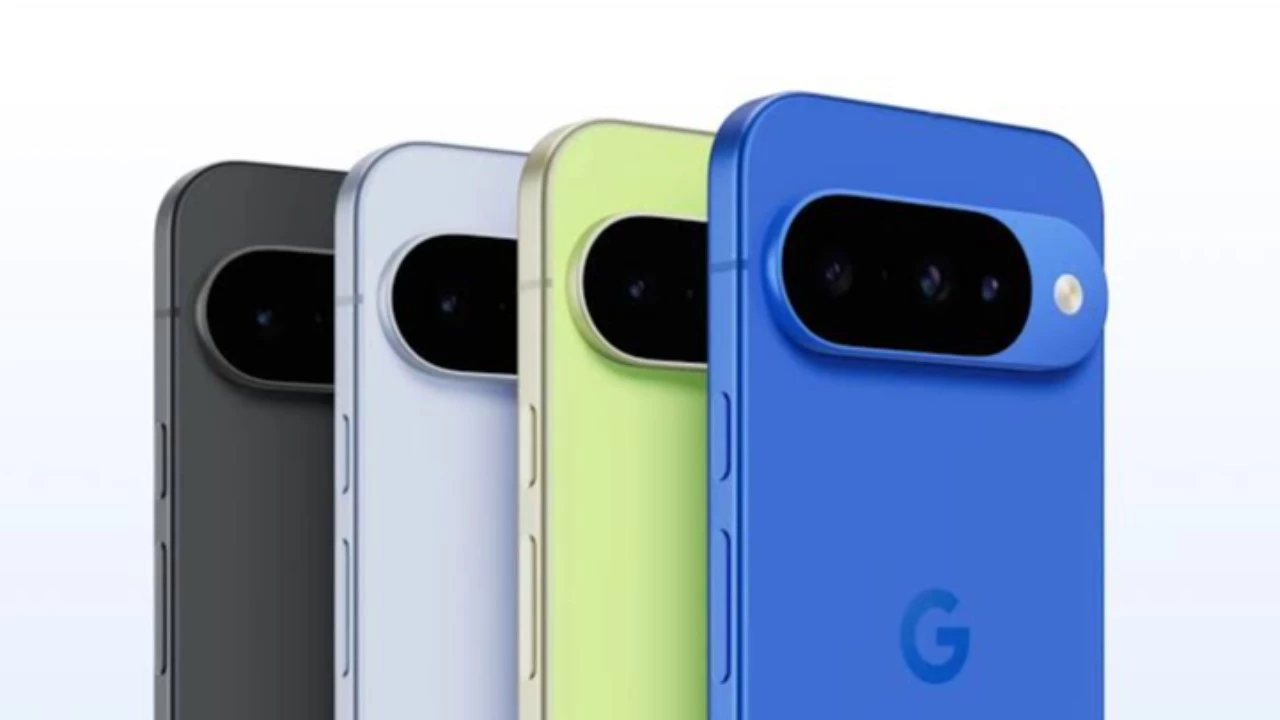
Google has officially confirmed that smartphones in its upcoming Pixel lineup will see significant price increases in the near future. The announcement comes directly from Shakil Barkat, Vice President of Google’s Devices and Services division, who cited the ongoing global shortage of RAM (Random Access Memory) as the primary culprit behind the company’s decision to raise prices. According to Barkat, the scarcity of memory components has dramatically increased manufacturing costs, making it impossible for Google to continue absorbing these expenses while maintaining current price points for consumers.
This development marks a significant shift in Google’s pricing strategy for its smartphone division. The company has traditionally positioned its Pixel devices as premium alternatives to competitors like Apple and Samsung, while often offering slightly more competitive pricing. However, the current supply chain crisis affecting the semiconductor and memory industries has forced even major technology giants to reconsider their approach to product pricing and cost management.
The Global Memory Crisis Explained
The shortage of RAM components affecting Google and other smartphone manufacturers is part of a broader crisis in the semiconductor industry that has been developing over several years. Multiple factors have contributed to this situation, including increased demand for electronic devices during and after the pandemic, geopolitical tensions affecting major chip-producing regions, and the growing memory requirements of artificial intelligence applications. Modern smartphones require increasingly sophisticated memory solutions to handle complex AI features, high-resolution cameras, and demanding applications, putting additional strain on already limited supplies.
Industry analysts note that the production of RAM chips is concentrated among a handful of manufacturers, primarily Samsung, SK Hynix, and Micron Technology. Any disruption in their operations or capacity can have cascading effects throughout the entire electronics industry. The situation has been exacerbated by the explosive growth of AI technologies, which require massive amounts of high-bandwidth memory for data centers and edge devices alike. This competition for limited resources has driven prices upward across the board.
Impact on the Smartphone Market
Google is not alone in facing these challenges. Other smartphone manufacturers have similarly struggled with component costs and supply chain disruptions. Apple has reportedly been negotiating aggressively with suppliers to secure favorable terms, while Samsung benefits from its vertical integration as both a smartphone maker and memory producer. However, companies like Google, which rely entirely on external suppliers for their components, find themselves in a more vulnerable position when market conditions tighten.
The Pixel 11 series, expected to launch later this year, will likely incorporate Google’s latest Tensor processor and advanced AI capabilities. These features demand high-performance memory modules, making the devices particularly susceptible to the current pricing pressures. Consumers who have come to appreciate the Pixel line for its pure Android experience, exceptional camera performance, and reasonable pricing may need to adjust their expectations for the upcoming generation.
What This Means for Consumers
For potential Pixel buyers, the price increases could range from modest to substantial, depending on the specific model and configuration. While Google has not disclosed exact figures, industry observers suggest that flagship smartphones across all brands could see price increases of 10-20% compared to previous generations. This trend reflects not only memory costs but also inflation, increased labor costs, and investments in new technologies like satellite connectivity and advanced AI features.
Despite the higher prices, Google remains committed to delivering value through software innovations, extended support periods, and exclusive AI features that leverage its expertise in machine learning. The company has emphasized that its devices will continue to offer capabilities that justify their cost, including industry-leading computational photography, real-time translation, and seamless integration with Google’s ecosystem of services. As the memory shortage eventually eases, prices may stabilize, but for now, consumers should prepare for a new pricing reality in the premium smartphone segment.
Expert Opinion: The memory shortage crisis highlights the vulnerability of even the largest technology companies to supply chain disruptions in an increasingly interconnected global economy. Industry analysts predict that RAM prices will remain elevated through at least mid-2026, as new manufacturing capacity takes years to bring online. Companies that can successfully differentiate their products through software and AI innovations will be better positioned to justify premium pricing, while those competing primarily on hardware specifications may face significant market headwinds.