
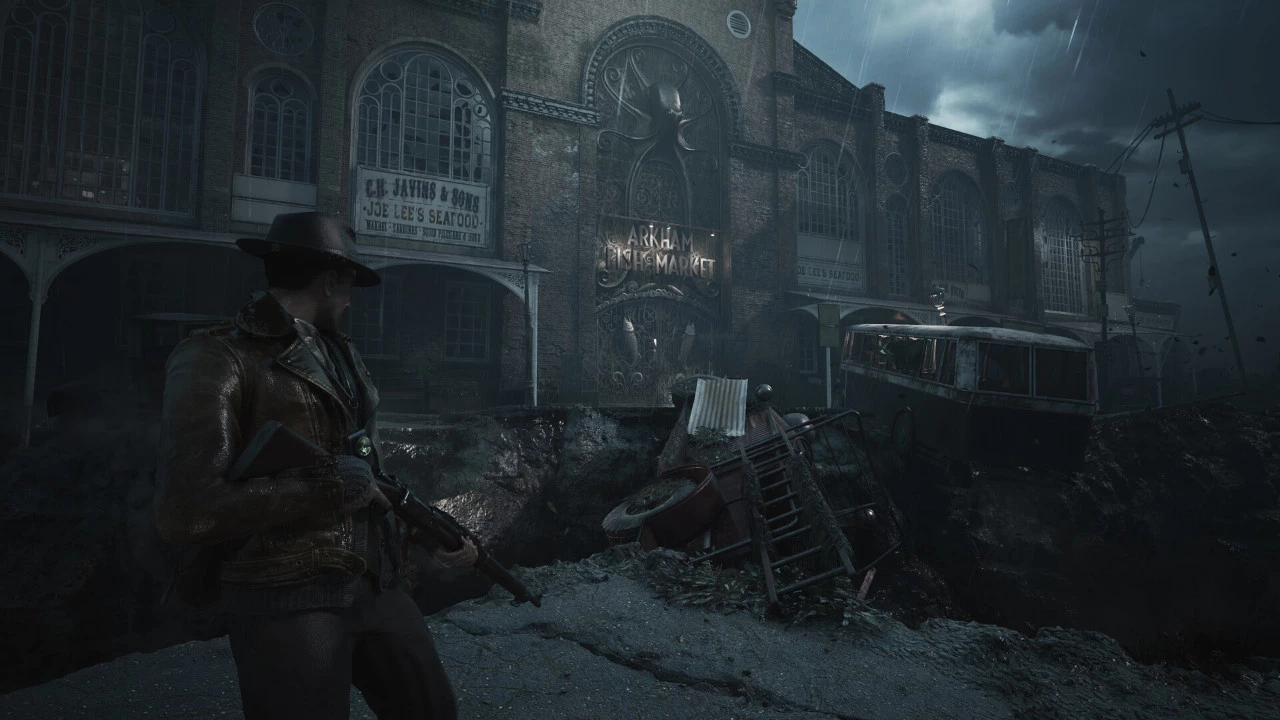
Ukrainian game development studio Frogwares has officially released its highly anticipated horror-action title The Sinking City 2, a dark and atmospheric game inspired by the literary works of legendary horror writer H.P. Lovecraft. The game is now available on personal computers as well as major gaming consoles, marking a significant milestone for the Kyiv-based developer. However, the release has garnered attention not only for its gameplay but also for the studio’s deliberate decision to exclude Russian language localization from the game entirely.
A Deliberate Political Statement
Frogwares, which has been operating from Ukraine since 2000, made headlines with its principled decision to remove Russian language support from all its products following Russia’s full-scale invasion of Ukraine in February 2022. The studio has been vocal about its stance, citing the ongoing conflict and the impact it has had on the Ukrainian people, including many of their own employees who have been directly affected by the war. This decision extends to The Sinking City 2, which ships without Russian text or voice acting despite the historically significant Russian-speaking gaming market.
The studio’s position has been consistent across all their recent releases and updates to existing games. Frogwares has publicly stated that they cannot in good conscience provide entertainment to citizens of a country whose government is actively engaged in military aggression against their homeland. This approach has drawn both praise from those who support Ukraine and criticism from Russian gamers who feel unfairly punished for the actions of their government.
Diving Into Lovecraftian Horror
The Sinking City 2 continues the franchise’s exploration of Lovecraftian cosmic horror, immersing players in a nightmarish world where ancient, unknowable entities lurk beneath the surface of reality. The original game, released in 2019, received positive reviews for its atmospheric storytelling and faithful adaptation of Lovecraft’s distinctive brand of existential dread. Players take on the role of investigators delving into mysteries that challenge not only their detective skills but their very sanity as they uncover truths that humanity was never meant to know.
H.P. Lovecraft, whose works form the foundation of the game’s narrative and aesthetic, was an American writer who pioneered the cosmic horror genre in the early 20th century. His creation of the Cthulhu Mythos—a shared fictional universe populated by ancient, god-like beings indifferent to humanity—has influenced countless works of horror fiction, film, and video games. The Sinking City franchise draws heavily from stories like “The Shadow over Innsmouth” and “The Call of Cthulhu,” adapting their themes of corruption, forbidden knowledge, and the insignificance of human existence in a vast, uncaring universe.
Frogwares: A Studio Shaped by Conflict
Frogwares has a storied history in the gaming industry, best known for developing numerous Sherlock Holmes adventure games that earned them a reputation for quality detective-focused gameplay. The studio’s transition to horror with the original Sinking City represented a bold creative direction that paid off commercially and critically. However, the Russian invasion of Ukraine in 2022 fundamentally altered the company’s operations. Many team members were displaced, some joined the Ukrainian armed forces, and the studio had to adapt to working under wartime conditions while continuing to develop ambitious projects like The Sinking City 2.
The gaming industry has seen various responses to the geopolitical situation, with some companies quietly withdrawing from Russian markets while others have maintained business as usual. Frogwares’ explicit and principled stance has made them one of the most outspoken studios on the matter, using their platform to draw attention to the conflict while accepting the financial consequences of abandoning what was once a lucrative market for video game sales.
Expert Opinion: The decision by Ukrainian developers like Frogwares to exclude Russian localization represents a broader trend of the gaming industry becoming increasingly politicized in response to global conflicts. While this stance may cost the studio revenue in the short term, it strengthens their brand identity among Western audiences who increasingly value corporate social responsibility. As the conflict continues, we can expect more Ukrainian studios to take similar positions, potentially reshaping regional gaming markets for years to come.