
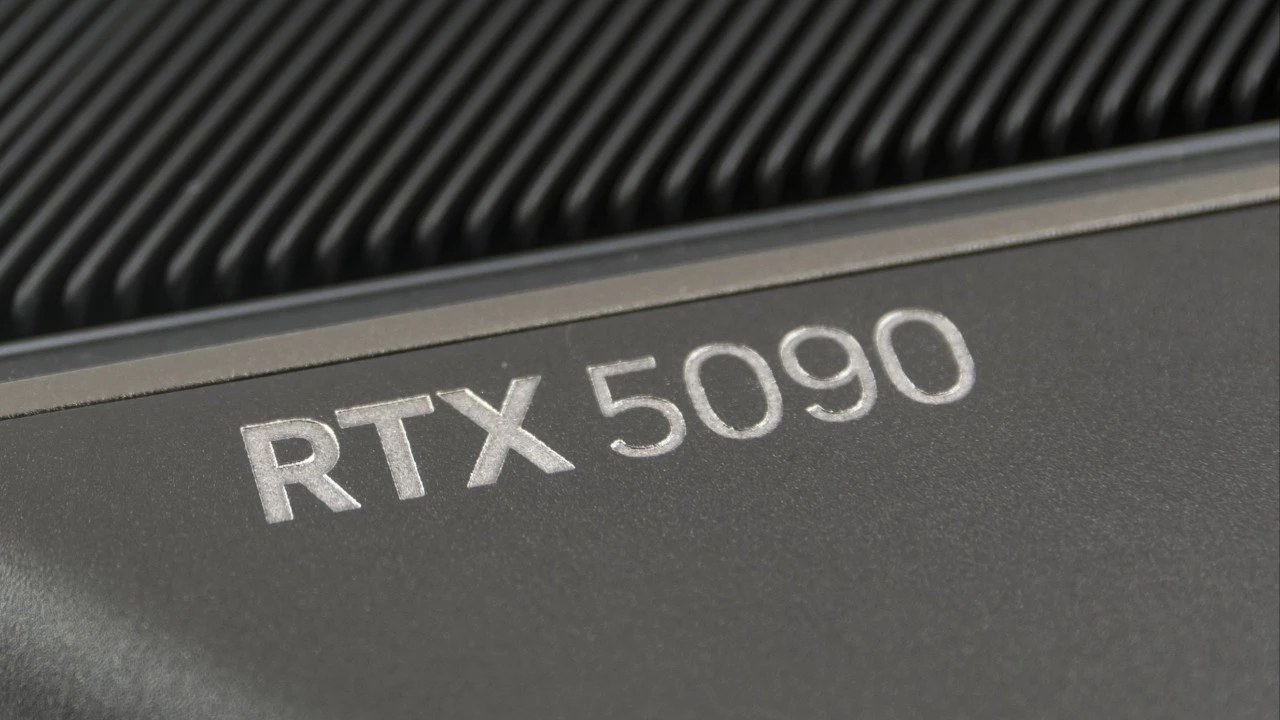
In what can only be described as a bizarre twist in the computer hardware market, American consumers have stumbled upon a peculiar pricing anomaly that defies basic economic logic. The flagship NVIDIA GeForce RTX 5090 graphics card, when purchased separately from retailers, now costs more than buying a complete branded desktop computer that already includes this very same GPU installed. This counterintuitive situation has sparked widespread discussion among tech enthusiasts and industry analysts, highlighting the severe market distortions currently plaguing the high-end PC components sector.
The discovery came as budget-conscious gamers and PC builders began comparing prices across different purchasing options. Complete pre-built systems from established manufacturers featuring the RTX 5090 are currently available at price points that undercut the standalone graphics card by a significant margin. This means that theoretically, a savvy consumer could purchase an entire gaming PC, extract the graphics card, and still come out ahead financially compared to simply buying the GPU through traditional retail channels.
Understanding the RTX 5090 and Market Dynamics
The GeForce RTX 5090 represents NVIDIA’s most powerful consumer graphics card to date, built on the company’s latest Blackwell architecture. Featuring unprecedented computational power, advanced ray tracing capabilities, and AI-enhanced features through DLSS technology, this flagship GPU was designed to deliver uncompromising performance for 4K and 8K gaming, as well as professional creative workloads. Upon its launch, the RTX 5090 carried a manufacturer’s suggested retail price of approximately $1,999, positioning it firmly in the ultra-premium segment of the market.
However, actual street prices have told a vastly different story. Scalpers, limited supply chains, and overwhelming demand have combined to push real-world prices well beyond NVIDIA’s recommendations. Reports indicate that the standalone RTX 5090 has been selling for anywhere between $2,500 to $3,500 or even higher on the secondary market and through some retailers. Meanwhile, system integrators who receive bulk allocations directly from NVIDIA have been able to maintain more reasonable pricing on their complete builds, creating this unusual price inversion.
Historical Context and Industry Patterns
This is not the first time the graphics card market has experienced severe disruption. During the cryptocurrency mining boom of 2017-2018 and again in 2020-2021, graphics cards became nearly impossible to find at reasonable prices. Bitcoin and Ethereum miners purchased GPUs in massive quantities, driving prices to astronomical levels and leaving gamers frustrated. The current situation, while not directly tied to cryptocurrency mining following Ethereum’s transition to proof-of-stake, echoes those turbulent periods in terms of supply-demand imbalance.
The semiconductor industry has faced persistent challenges since the COVID-19 pandemic disrupted global supply chains. While some sectors have recovered, the cutting-edge chips required for flagship graphics cards remain constrained. NVIDIA’s manufacturing partner, TSMC in Taiwan, produces these advanced processors using complex processes that cannot be scaled up quickly. This fundamental bottleneck, combined with NVIDIA’s dominant market position and the company’s prioritization of high-margin data center products, has contributed to the current scarcity of consumer graphics cards.
System Integrators and Their Advantage
Large system builders like Dell’s Alienware division, HP’s Omen brand, and boutique builders such as Maingear and Digital Storm operate under different supply arrangements than retail channels. These companies negotiate directly with NVIDIA for component allocations, often securing commitments months in advance. Because they purchase in volume and represent reliable, consistent customers, they receive preferential treatment and pricing that individual consumers and smaller retailers simply cannot access.
Furthermore, system integrators spread their profit margins across multiple components in a build, not just the graphics card. They may accept lower margins on the GPU while making up the difference on memory, storage, cases, and proprietary software bundles. This business model enables them to offer complete systems at prices that appear impossibly low when compared to the sum of individual components at current market rates.
Implications for Consumers and the Industry
For consumers, this pricing paradox presents both an opportunity and a frustration. Those willing to purchase pre-built systems can access the RTX 5090 at effectively discounted rates, though they sacrifice the customization and component selection that DIY building offers. Enthusiasts who prefer to build their own machines face an unenviable choice: pay premium prices for standalone cards, wait indefinitely for market normalization, or compromise on their desired specifications.
Industry analysts suggest this situation may persist for several more months until NVIDIA can ramp up production sufficiently to meet demand. Some experts predict that the launch of competing products from AMD, along with potential mid-cycle refreshes, could eventually ease pressure on the flagship segment. Until then, the absurd reality remains: wanting just the graphics card costs more than wanting an entire computer.
Expert Opinion: This pricing anomaly reflects deeper structural issues in the GPU market, including NVIDIA’s near-monopoly in high-performance graphics and persistent supply chain vulnerabilities. Until meaningful competition emerges or manufacturing capacity expands significantly, consumers should expect similar market distortions to continue with future flagship launches. The smartest approach for buyers may be to embrace pre-built systems temporarily, as the traditional DIY value proposition has fundamentally shifted in this constrained environment.