
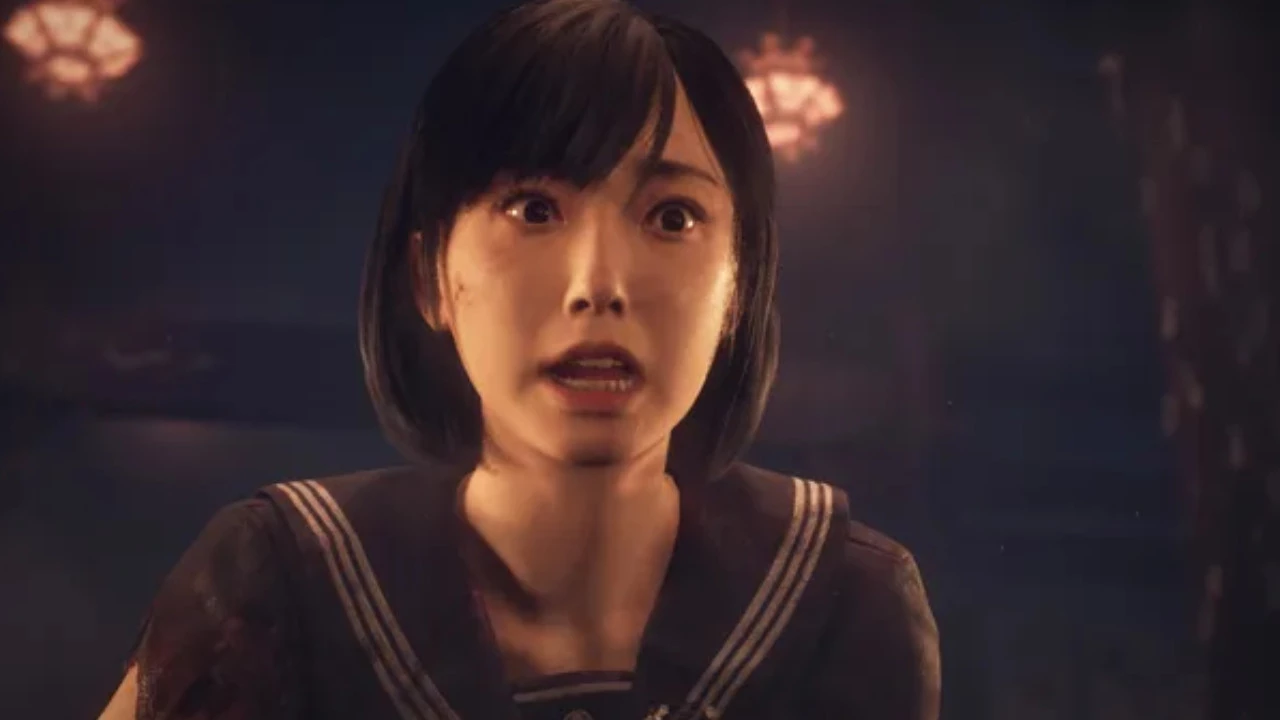
In an era where video game development often prioritizes technical innovation and visual spectacle, Konami’s approach to the upcoming Silent Hill f has taken a decidedly literary turn. During a presentation at the CEDEC 2026 conference, series producer Motoi Okamoto revealed an unconventional methodology that has the gaming community buzzing: requiring the game’s screenwriters to read between 100 and 200 books annually as part of their creative development process. This revelation offers a fascinating glimpse into how one of gaming’s most celebrated horror franchises is approaching storytelling in its next installment.
The announcement has sparked widespread discussion about the intersection of traditional literature and interactive entertainment. Okamoto’s mandate goes far beyond typical industry practices, where writers might draw inspiration from films, other games, or occasional literary references. Instead, Konami appears to be investing heavily in building a foundation of classical and contemporary literary knowledge among its creative team, suggesting that Silent Hill f will feature a narrative depth rarely seen in the horror gaming genre.
A Return to Literary Roots in Horror Gaming
The Silent Hill franchise has always distinguished itself through psychological horror rather than relying solely on jump scares and graphic violence. Since the original game’s release in 1999, the series has drawn comparisons to the works of authors like Stephen King, H.P. Lovecraft, and even David Lynch’s filmography. The town of Silent Hill itself serves as a metaphorical landscape where characters confront their deepest fears and psychological traumas. By mandating extensive reading requirements, Okamoto appears to be reconnecting the franchise with its literary heritage while pushing writers to explore new thematic territories.
Silent Hill f, announced in 2022, represents a significant departure for the series with its setting in 1960s Japan. This historical backdrop opens up rich possibilities for exploring themes related to post-war trauma, cultural transformation, and traditional Japanese folklore — subjects that have been extensively documented in both fiction and non-fiction literature. The reading requirement likely encompasses works that illuminate this specific era and cultural context, enabling writers to craft an authentic and emotionally resonant narrative that honors both Japanese history and the series’ legacy of psychological complexity.
The Science Behind Creative Cross-Pollination
Research in cognitive psychology supports Okamoto’s seemingly demanding approach. Studies have consistently shown that exposure to diverse narratives enhances creative thinking, emotional intelligence, and the ability to construct complex storylines. Reading fiction, in particular, has been linked to improved theory of mind — the capacity to understand and represent the mental states of others — which is crucial for creating believable characters and emotionally engaging scenarios. For horror writers specifically, understanding the mechanics of dread, suspense, and psychological tension across different literary traditions provides an invaluable toolkit for crafting memorable experiences.
Industry veterans have noted that this approach mirrors techniques used by celebrated game directors in the past. Hideo Kojima, creator of the Metal Gear Solid series, is famously known for his extensive film and literature consumption, which heavily influences his distinctive storytelling style. Similarly, the team behind FromSoftware’s Soulsborne games has cited diverse literary influences ranging from Berserk manga to H.P. Lovecraft and Gothic literature. Okamoto’s formalized reading requirement represents perhaps the most structured implementation of this philosophy in mainstream game development, potentially setting a new standard for narrative-focused studios.
Implications for the Gaming Industry
The gaming industry has increasingly recognized the importance of strong narrative design, with story-driven titles like The Last of Us, God of War, and Disco Elysium achieving both critical acclaim and commercial success. However, the path to developing skilled game writers remains less established than in film or television. Okamoto’s methodology suggests a potential model for cultivating narrative talent within studios — one that emphasizes broad cultural literacy alongside technical game writing skills. This could influence how other developers approach writer training and creative development in the future.
As Silent Hill f continues development, the gaming community will be watching closely to see whether this literary-intensive approach translates into a superior narrative experience. The franchise has experienced highs and lows since its inception, and fans are eager for a return to the psychological depth that defined earlier entries. If successful, Konami’s experiment could validate a more humanities-focused approach to game development — proving that sometimes the best preparation for creating digital nightmares involves spending countless hours with physical pages rather than computer screens.
Expert Opinion: Konami’s mandated reading requirement represents a bold acknowledgment that great horror transcends medium-specific techniques. By grounding their writers in literary tradition, they’re essentially building a narrative immune system against the shallow, derivative storytelling that plagues many contemporary horror games. If this approach succeeds with Silent Hill f, we may see a broader industry shift toward valuing humanistic education in game development, potentially ushering in a new golden age of narrative-driven gaming.