
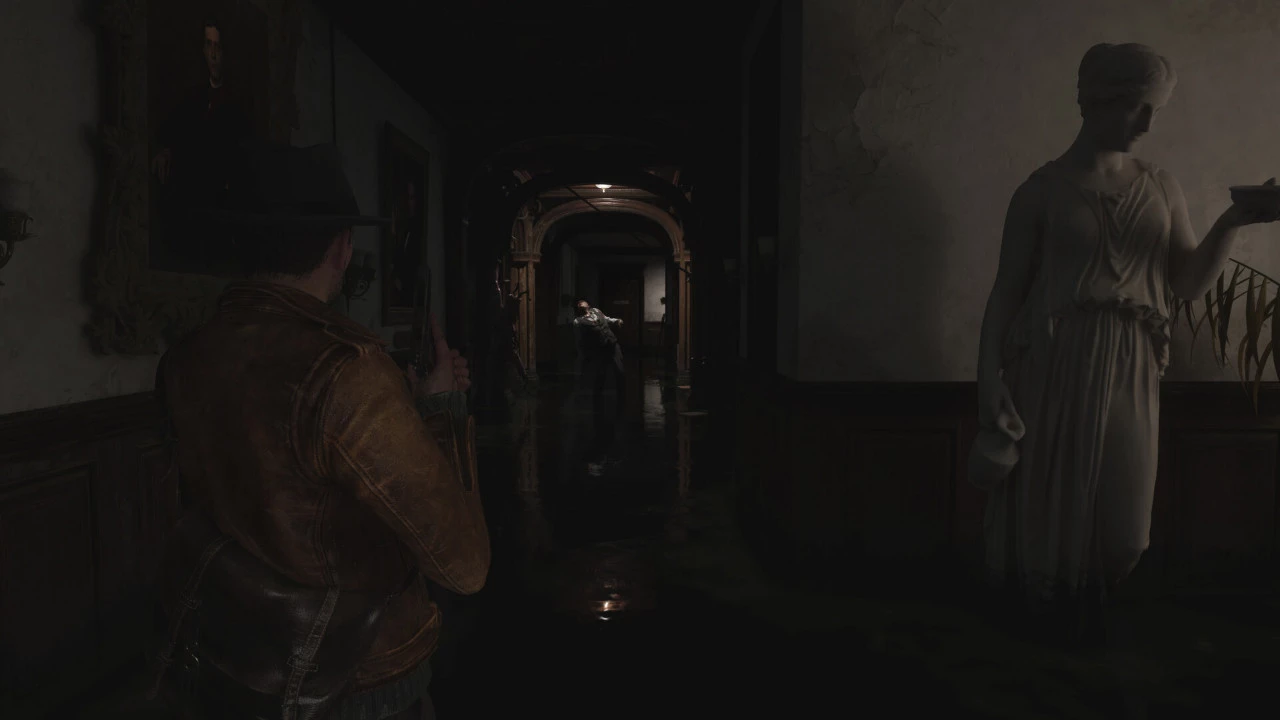
The highly anticipated horror sequel The Sinking City 2, developed by Ukrainian studio Frogwares, has launched to underwhelming player numbers on Steam. Released on August 18, 2026, the Lovecraftian detective horror game has failed to capture a significant audience, with peak concurrent players reportedly staying below the 2,000 mark. This modest performance has sparked discussions within the gaming community about the various factors that may have contributed to the game’s lukewarm reception, including the controversial decision to exclude Russian language support from the title.
A Sequel Years in the Making
The Sinking City franchise first emerged in 2019 when Frogwares released the original game, which transported players to the fictional Massachusetts city of Oakmont during the 1920s. The game drew heavy inspiration from the cosmic horror works of H.P. Lovecraft, featuring a flooded city plagued by supernatural occurrences and mysterious creatures. The original title received mixed reviews but developed a dedicated cult following among fans of investigative horror games and Lovecraftian fiction. The sequel promised to expand upon the original’s foundation with improved graphics, deeper investigation mechanics, and an even more unsettling atmosphere.
Frogwares, based in Kyiv, Ukraine, has been developing games since 2000 and is perhaps best known for their Sherlock Holmes series of detective adventures. The studio has faced numerous challenges over the years, including a highly publicized legal dispute with their former publisher Bigben Interactive over the rights to The Sinking City. Following Russia’s full-scale invasion of Ukraine in February 2022, the company took a firm stance against Russian aggression, which has influenced their business decisions regarding language localization and market availability.
The Localization Controversy
One of the most discussed aspects of The Sinking City 2’s release has been the absence of Russian language support. This decision aligns with Frogwares’ previously stated position following the outbreak of war in Ukraine, where the company announced they would no longer provide Russian localization for their products. While this stance has drawn support from many who view it as a principled response to the ongoing conflict, critics argue that it has significantly limited the game’s potential audience. The Russian-speaking gaming market historically represents a substantial portion of Steam’s user base, particularly for story-driven games where native language support is highly valued.
Industry analysts have noted that removing access to major language markets inevitably impacts sales figures and player engagement metrics. However, others point out that ethical considerations in business decisions have become increasingly important to consumers worldwide, and some players actively support companies that take principled stances on geopolitical issues. The debate surrounding The Sinking City 2 reflects broader conversations within the gaming industry about the intersection of politics, business, and entertainment.
Market Performance and Industry Context
The sub-2,000 peak concurrent player count places The Sinking City 2 well below what would typically be considered a successful launch for a sequel from an established franchise. For comparison, mid-tier horror releases often achieve peak numbers in the tens of thousands during their launch windows. However, it’s worth noting that concurrent player counts don’t tell the complete story of a game’s success, as many players may purchase games during sales or play through them over extended periods rather than at launch. Additionally, the horror genre has become increasingly competitive in recent years, with numerous high-quality titles vying for players’ attention.
The gaming landscape of 2026 presents unique challenges for developers, with player attention fragmented across numerous platforms and an ever-growing library of available titles. Frogwares’ commitment to their principles, while potentially limiting their immediate commercial success, may resonate with certain segments of the gaming community who prioritize supporting developers aligned with their values. The long-term performance of The Sinking City 2 will likely depend on word-of-mouth recommendations, post-launch content updates, and potential sales events that could attract price-conscious consumers to the title.
Expert Opinion: The case of The Sinking City 2 illustrates the complex balance modern game developers must strike between commercial viability and corporate values. While the decision to exclude Russian localization undoubtedly impacted potential sales, the long-term brand loyalty generated among players who support such stances may prove valuable. As the gaming industry continues to navigate geopolitical tensions, we can expect more studios to face similar decisions, with market performance increasingly tied to factors beyond pure game quality.