
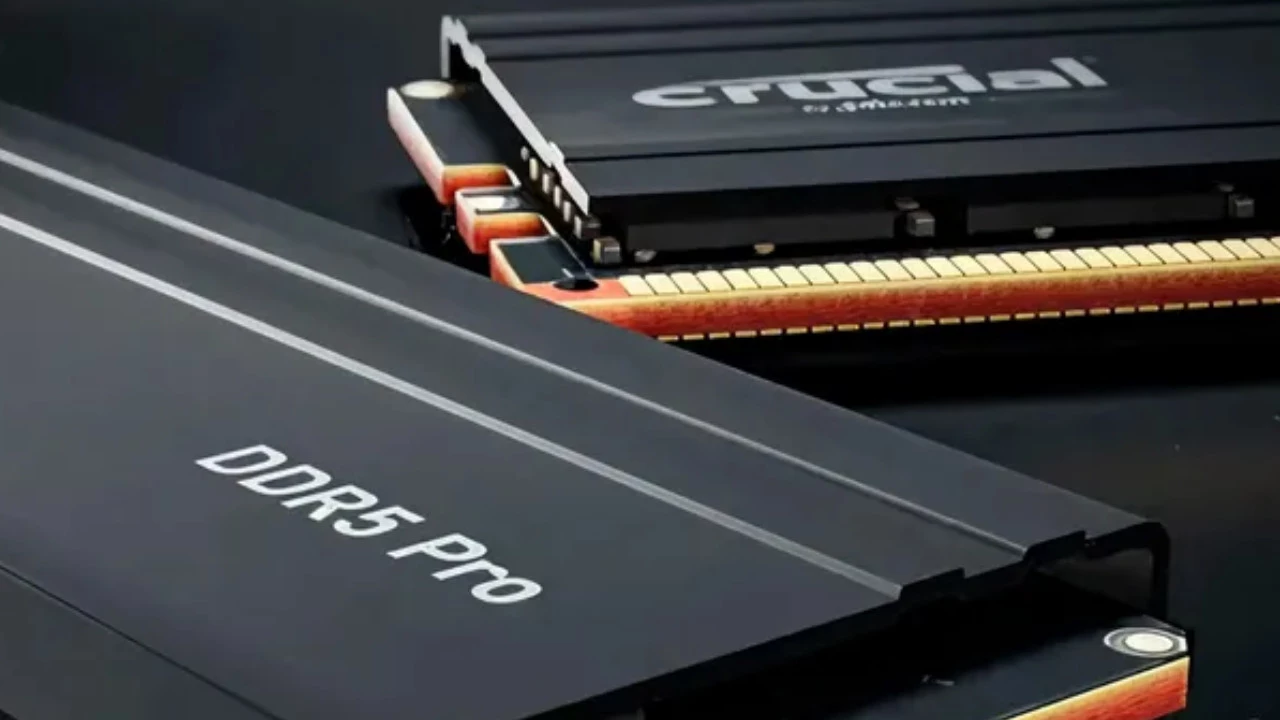
A global shortage of DDR5 RAM has triggered an unprecedented battle between automated purchasing scripts and regular consumers in online retail spaces. According to recent reports, scalper bots are now dominating DDR5 memory module sales, successfully completing purchases at rates ten times faster than human shoppers. This alarming trend has left countless PC enthusiasts and system builders frustrated as they watch inventory vanish within seconds of becoming available, only to reappear on secondary markets at significantly inflated prices.
The situation reflects a broader crisis in the consumer electronics market, where sophisticated automation tools have fundamentally altered the dynamics of retail purchasing. These bots, programmed to monitor stock availability and execute purchases instantaneously, have become so prevalent that some retailers report detecting thousands of automated purchase attempts within milliseconds of restocking popular DDR5 modules. The technology behind these scripts has evolved considerably, with modern scalper bots capable of bypassing CAPTCHA systems, rotating IP addresses, and mimicking human browsing patterns to evade detection.
The Root Causes of the DDR5 Shortage
The current DDR5 shortage stems from a confluence of factors that have plagued the semiconductor industry since 2020. Manufacturing constraints at major memory producers including Samsung, SK Hynix, and Micron have limited supply, while demand has surged with the adoption of Intel’s 12th and 13th generation Alder Lake and Raptor Lake processors, as well as AMD’s Ryzen 7000 series, all of which support the new memory standard. The transition from DDR4 to DDR5 technology requires significant retooling of production facilities, a process that takes considerable time and capital investment.
Industry analysts note that DDR5 memory offers substantial performance improvements over its predecessor, including higher base frequencies starting at 4800 MHz compared to DDR4’s typical 2400-3200 MHz range, improved power efficiency through on-die voltage regulation, and doubled bank groups that enhance multitasking performance. These advantages have made DDR5 highly desirable for gaming enthusiasts, content creators, and enterprise customers alike, further intensifying competition for limited stock.
The Growing Sophistication of Scalping Operations
What was once a cottage industry of individual resellers has evolved into a highly organized ecosystem of scalping operations. Modern bot networks operate as subscription services, charging users monthly fees ranging from fifty to several hundred dollars for access to sophisticated purchasing automation tools. These services often include real-time stock monitoring across multiple retailers, automated checkout processes that complete purchases faster than any human could, and even integration with popular social media platforms for instant notifications.
Security researchers have documented increasingly aggressive tactics employed by these automated systems. Some bots now use machine learning algorithms to predict restocking patterns, while others exploit vulnerabilities in retailer websites to gain unfair advantages. The arms race between scalpers and retailers has intensified, with e-commerce platforms investing heavily in bot detection systems, purchase limits, and queue-based purchasing mechanisms designed to give human buyers a fair chance at securing in-demand products.
Impact on Consumers and the Broader Market
The consequences of bot-dominated purchasing extend beyond mere inconvenience. Regular consumers face significantly higher prices when forced to buy from secondary markets, with some DDR5 kits selling for two to three times their original retail price. This has created a two-tiered market where those willing to pay premium prices can obtain products immediately, while budget-conscious buyers must wait indefinitely or settle for older technology.
Retailers and manufacturers are beginning to implement countermeasures, including lottery-based purchase systems, verified buyer programs that require proof of previous hardware purchases, and partnerships with anti-bot technology providers. Some companies have experimented with in-store only sales or bundling memory with other components to reduce scalping incentives. However, these solutions remain imperfect, and the battle between automated purchasing systems and legitimate consumers shows no signs of abating as DDR5 adoption continues to accelerate throughout 2024 and beyond.
Expert Opinion: The scalper bot crisis in the DDR5 market represents a systemic failure that requires coordinated industry response rather than individual retailer solutions. As memory manufacturers gradually increase production capacity throughout 2024, prices should stabilize and scalping incentives will diminish naturally. However, until supply catches up with demand, consumers should expect continued difficulties securing DDR5 at retail prices, and the industry must seriously consider regulatory frameworks to address automated purchasing abuse.