
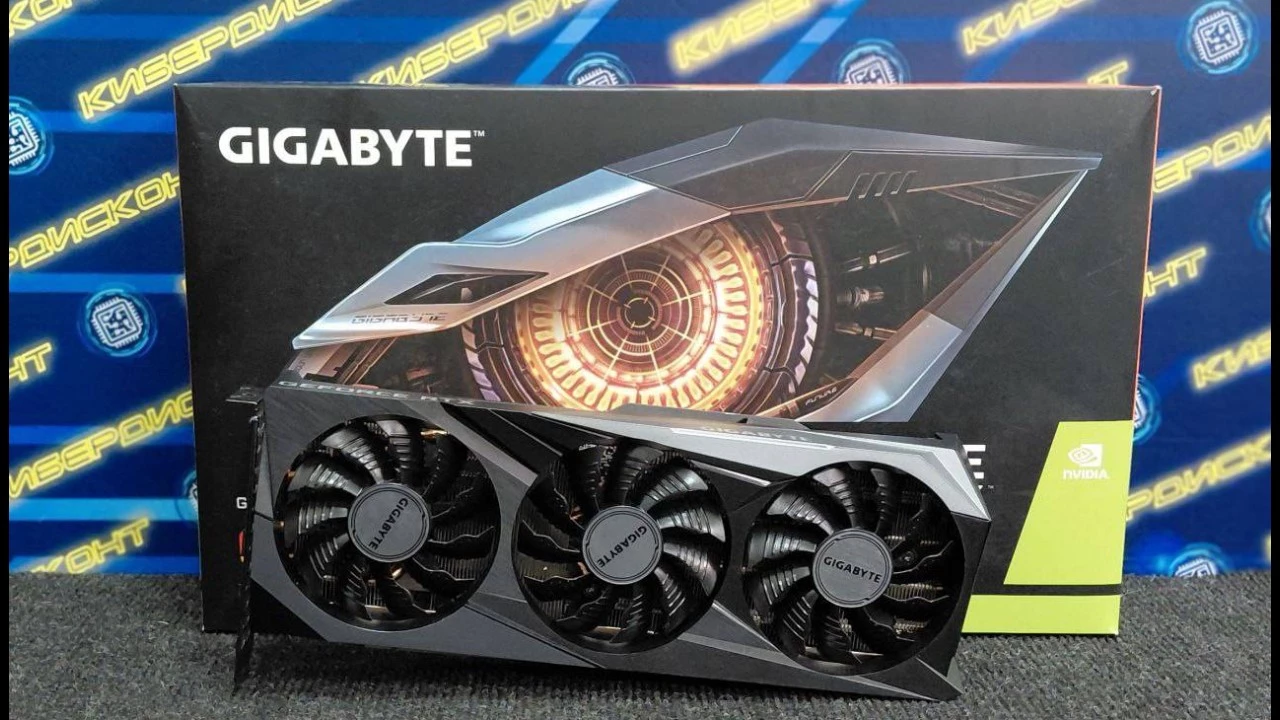
A PC enthusiast recently made a startling discovery after disassembling their NVIDIA GeForce RTX 3070 graphics card manufactured by GIGABYTE. The user found that a protective plastic film had been left on a critical thermal interface component during manufacturing, causing nearly five years of suboptimal cooling and subsequent thermal degradation to the expensive hardware. This manufacturing oversight serves as a cautionary tale about quality control in the electronics industry and highlights the importance of proper thermal management in high-performance computing components.
The Discovery That Shocked the PC Community
The affected user only became aware of the issue after deciding to perform routine maintenance on their aging graphics card, which had been exhibiting signs of thermal throttling and performance degradation over time. Upon removing the cooler assembly, they discovered that a thin protective plastic film—typically applied during manufacturing to protect thermal pads and interface materials during shipping and handling—had never been removed before the card was assembled and sold. This film, designed to be peeled off before final assembly, had been acting as a thermal insulator between the GPU die and the cooling solution for the entire operational life of the card.
Protective films on thermal interface materials are standard practice in electronics manufacturing. These films prevent contamination and damage during the production process but must be removed to allow proper heat transfer between components and their cooling solutions. When left in place, even a thin layer of plastic can dramatically reduce thermal conductivity, causing components to run significantly hotter than intended. In the case of modern graphics cards, which can generate upwards of 200-300 watts of heat under load, such an oversight can have serious consequences for both performance and longevity.
Understanding Thermal Degradation in Graphics Cards
Thermal degradation in semiconductor devices occurs when components are consistently exposed to temperatures beyond their optimal operating range. Modern GPUs like the RTX 3070 are designed to operate within specific thermal envelopes, typically targeting temperatures between 65-85 degrees Celsius under load. When cooling is compromised, the GPU’s built-in protection mechanisms force it to reduce clock speeds—a process known as thermal throttling—to prevent immediate damage. However, prolonged exposure to elevated temperatures can cause cumulative damage to the silicon, solder joints, and surrounding components.
The NVIDIA GeForce RTX 3070, launched in October 2020 as part of the Ampere architecture lineup, was designed as a high-performance gaming card targeting 1440p and entry-level 4K gaming. With a TDP of 220 watts, proper cooling is essential for the card to maintain its rated boost clocks of up to 1.73 GHz. The card features 5,888 CUDA cores and 8GB of GDDR6 memory, making it a substantial investment for consumers who paid anywhere from $500 to over $800 during the GPU shortage that plagued the market during the COVID-19 pandemic.
Manufacturing Quality Control Under Scrutiny
This incident raises important questions about quality control processes at major hardware manufacturers like GIGABYTE, one of the world’s largest producers of graphics cards and motherboards. The Taiwan-based company has generally maintained a solid reputation in the PC hardware community, but manufacturing defects, while relatively rare, do occur across all major brands. Similar incidents have been reported over the years involving various manufacturers, with protective films being left on thermal pads, thermal paste being improperly applied, or cooler mounting pressure being insufficient.
Industry experts suggest that such oversights typically occur during high-volume production runs, particularly during periods of intense demand like the cryptocurrency mining boom and pandemic-era GPU shortage that coincided with the RTX 3070’s launch. During these periods, manufacturers faced enormous pressure to increase output, potentially leading to relaxed quality control standards. For consumers, this serves as a reminder that even products from reputable brands can occasionally leave the factory with defects, and unusual thermal behavior should always be investigated promptly rather than attributed solely to normal wear and tear.
Lessons for PC Enthusiasts and Consumers
For PC builders and enthusiasts, this case underscores the value of monitoring system temperatures and being willing to investigate anomalies. Modern monitoring software can track GPU temperatures in real-time, and sustained temperatures above 85 degrees Celsius under normal gaming loads should prompt investigation. Additionally, users who feel comfortable doing so might consider inspecting new graphics cards before installation, though this can potentially void warranties depending on the manufacturer’s policies.
The affected user’s experience also highlights the importance of warranty claims and consumer protection. While nearly five years have likely exceeded any standard warranty period, incidents like these raise questions about manufacturer liability for factory defects that only become apparent after extended use. As graphics cards continue to represent significant investments for consumers—with high-end models now regularly exceeding $1,000—expectations for manufacturing quality and post-sale support continue to rise accordingly.
Expert Opinion: This incident represents a broader industry challenge as graphics card complexity and thermal demands continue to increase. Manufacturers must invest more heavily in automated quality control systems, including thermal imaging verification before products leave the factory. Consumers should demand better accountability, and we may see regulatory pressure for extended warranties on high-value electronics components that can be compromised by hidden manufacturing defects.