
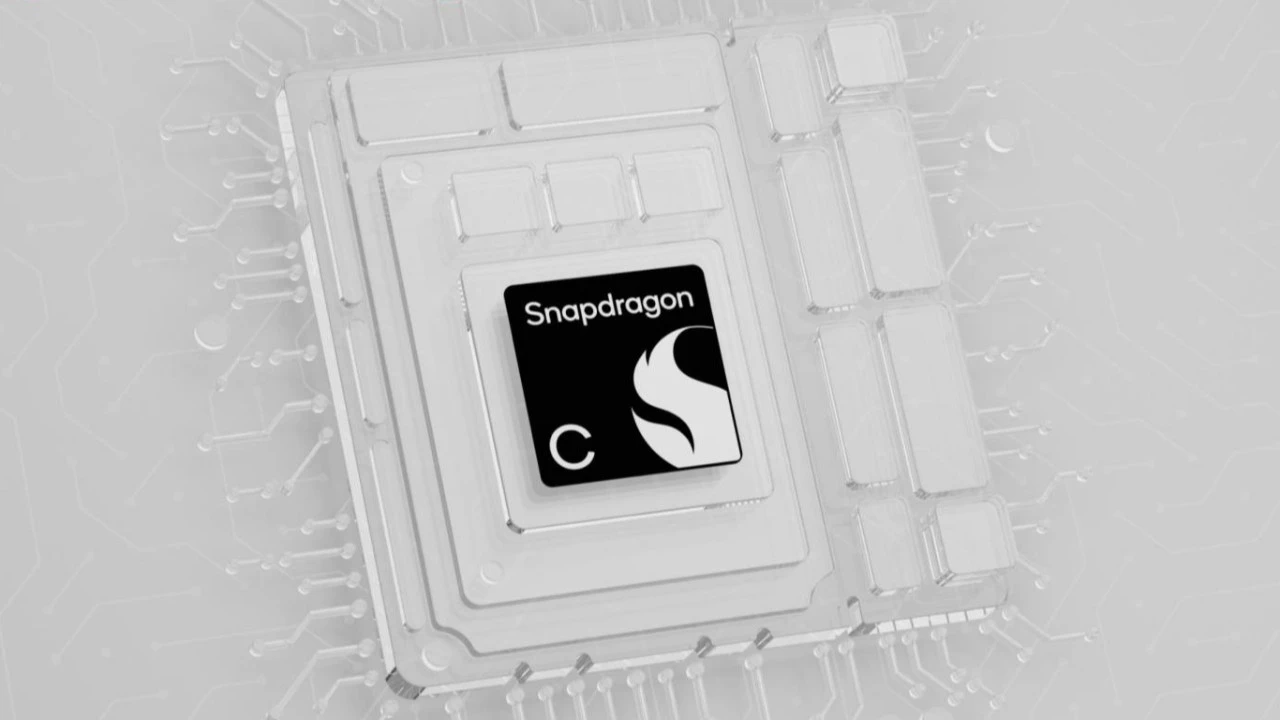
Qualcomm has officially unveiled detailed specifications for its new ARM-based Snapdragon C platform, designed specifically for ultra-budget laptops in the $300 price range. This marks a significant move by the chipmaker to expand its presence in the entry-level computing market, where Intel has traditionally dominated with its Celeron and Pentium processors. The new platform promises to deliver substantial performance improvements while maintaining the power efficiency that ARM architecture is known for, potentially reshaping the budget laptop landscape.
Performance Benchmarks Show Impressive Gains Over Intel
According to Qualcomm’s internal testing data, the Snapdragon C platform delivers approximately 67% better performance compared to Intel’s N250 processor while simultaneously offering superior energy efficiency. This dual advantage of speed and power consumption could translate to longer battery life for budget-conscious consumers who previously had to choose between performance and portability. The ARM-based architecture allows for passive cooling in many designs, potentially enabling thinner and lighter laptops without the need for noisy fans that are common in Intel-powered budget devices.
The performance improvement is particularly notable given the price segment these chips are targeting. Budget laptops have historically been plagued by sluggish performance, making basic tasks like web browsing and document editing frustrating experiences. If Qualcomm’s claims hold true in real-world scenarios, consumers could soon have access to genuinely capable computers at prices that were previously associated with compromised user experiences.
ARM Architecture Continues Its Push Into Traditional PC Territory
This announcement represents Qualcomm’s broader strategy to bring ARM-based computing to mainstream consumers. The company has already made significant inroads in the premium segment with its Snapdragon X Elite processors, which power high-end Windows laptops from manufacturers like Microsoft, Dell, and Lenovo. By extending their portfolio to the budget segment with Snapdragon C, Qualcomm is effectively challenging Intel across the entire laptop market spectrum. The move comes at a critical time when the PC industry is seeking new growth drivers amid declining traditional computer sales.
The transition to ARM architecture in personal computing has been accelerating since Apple’s successful shift to its own M-series chips, which demonstrated that ARM processors could deliver desktop-class performance. Microsoft has been working to improve Windows compatibility with ARM processors, addressing one of the historical barriers to widespread adoption. With each Windows update, more applications run natively on ARM, reducing the performance penalties associated with emulation that plagued earlier attempts at ARM-based Windows computers.
Market Implications and Consumer Benefits
For consumers in emerging markets and budget-conscious buyers worldwide, the Snapdragon C platform could represent a significant upgrade in computing capabilities without increasing costs. The $300 price point is crucial in markets where computing devices serve as primary tools for education, remote work, and digital access. Better performance at this price level could help bridge the digital divide by making capable computers accessible to more people. Additionally, the improved power efficiency could benefit users in regions with unreliable electricity, as longer battery life provides more flexibility in how and where devices can be used.
Industry analysts suggest that Qualcomm’s entry into the budget laptop segment could trigger a competitive response from Intel, potentially leading to innovations and price adjustments across the market. AMD, which has also been developing efficient processors for mobile devices, may accelerate its own budget-oriented offerings. This increased competition ultimately benefits consumers through better products and more competitive pricing. The coming months will reveal how manufacturers respond to this new option and whether the promised performance advantages translate into commercial success for Snapdragon C-powered devices.
Expert Opinion: Qualcomm’s aggressive expansion into budget computing signals a potential inflection point for ARM architecture in mainstream PCs. If the 67% performance improvement holds under independent testing, we could see a significant shift in market share within the entry-level segment by 2026. The real test will be software compatibility and long-term reliability, factors that have historically limited ARM adoption in Windows devices.