
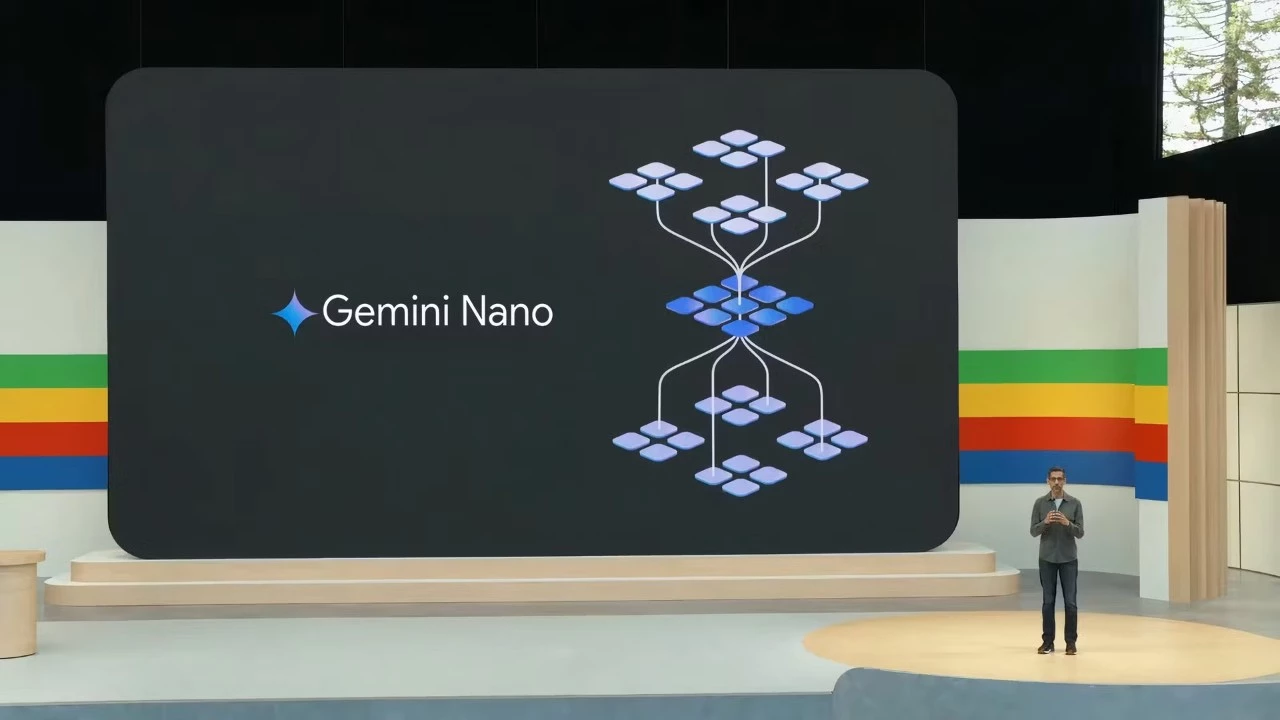
Google has quietly begun deploying its Gemini Nano artificial intelligence model to Chrome browsers worldwide, and the process is raising serious concerns among users and privacy advocates alike. The tech giant has been automatically downloading AI model files to users’ computers without explicitly asking for permission, with each complete model package consuming approximately 4 to 5 gigabytes of storage space. For users with limited disk space or metered internet connections, this unannounced download represents a significant imposition that has sparked widespread criticism across tech communities and forums.
The Silent AI Integration Strategy
The Gemini Nano model represents Google’s smallest and most efficient version of its Gemini AI family, specifically designed to run locally on consumer devices rather than requiring cloud connectivity. This on-device approach theoretically offers benefits including faster response times, offline functionality, and enhanced privacy since data doesn’t need to leave the user’s machine. However, the method of deployment has overshadowed these potential advantages. Reports from users indicate that Chrome has been downloading these substantial files in the background, often consuming bandwidth and storage without any notification or consent prompt appearing on screen.
This behavior appears to be part of Google’s broader strategy to integrate AI capabilities directly into its browser ecosystem. The company has been racing to compete with Microsoft’s Copilot integration in Edge and other AI-enhanced browsing experiences. By embedding Gemini Nano directly into Chrome, Google can offer features like enhanced writing assistance, smart summarization, and other AI-powered tools without requiring users to navigate to separate services or websites. The local processing approach also reduces the load on Google’s servers and potentially decreases latency for AI-powered features.
Storage Concerns and User Backlash
The storage implications of this silent download have proven particularly problematic for certain user groups. Many laptop users operate with solid-state drives of 128 or 256 gigabytes, where 4 to 5 gigabytes represents a significant percentage of their total available space. Reports have surfaced of users experiencing mysterious storage shortages, only to discover upon investigation that Chrome’s AI components were responsible. Some users have reported finding multiple model versions stored on their systems, with the total Chrome-related AI data reaching tens of gigabytes in extreme cases.
The lack of transparency has drawn sharp criticism from digital rights advocates and technology commentators. In an era of increasing awareness about software consent and user autonomy, automatically downloading gigabytes of data without explicit permission seems to contradict best practices for ethical software development. This is particularly noteworthy given Google’s historical advocacy for web standards that prioritize user choice and consent. Browser storage has traditionally been subject to strict limitations and permission requirements for websites, making it ironic that the browser itself would claim such substantial resources without asking.
Historical Context and Industry Implications
This incident fits into a broader pattern of major technology companies pushing AI integration aggressively, sometimes at the expense of user experience and choice. Microsoft faced similar criticism when it began integrating Copilot features into Windows 11, though the company was generally more transparent about the associated storage requirements. Apple has taken a different approach with its Apple Intelligence features, clearly communicating storage needs and allowing users to opt out of local AI model downloads. Google’s silent deployment stands in contrast to these approaches and may prompt regulatory scrutiny, particularly in jurisdictions with strict consumer protection laws.
For users wishing to reclaim their storage space, the process is not immediately intuitive. The AI models are stored in Chrome’s internal directories and cannot be easily deleted without potentially affecting browser stability. Some tech-savvy users have discovered methods to disable the Gemini Nano features through Chrome’s experimental flags settings, though this requires navigating to chrome://flags and manually adjusting configurations. Google has not yet released an official statement addressing the storage concerns or providing clear instructions for users who wish to opt out of the AI model downloads.
Expert Opinion: This incident highlights a growing tension between Big Tech’s AI ambitions and user autonomy. Companies are increasingly treating local storage as an extension of their cloud infrastructure, assuming implicit consent for substantial downloads. Regulatory bodies in the EU and elsewhere may use cases like this to justify stricter requirements for transparent consent in software updates, potentially establishing new precedents for how AI features are deployed to consumer devices.