
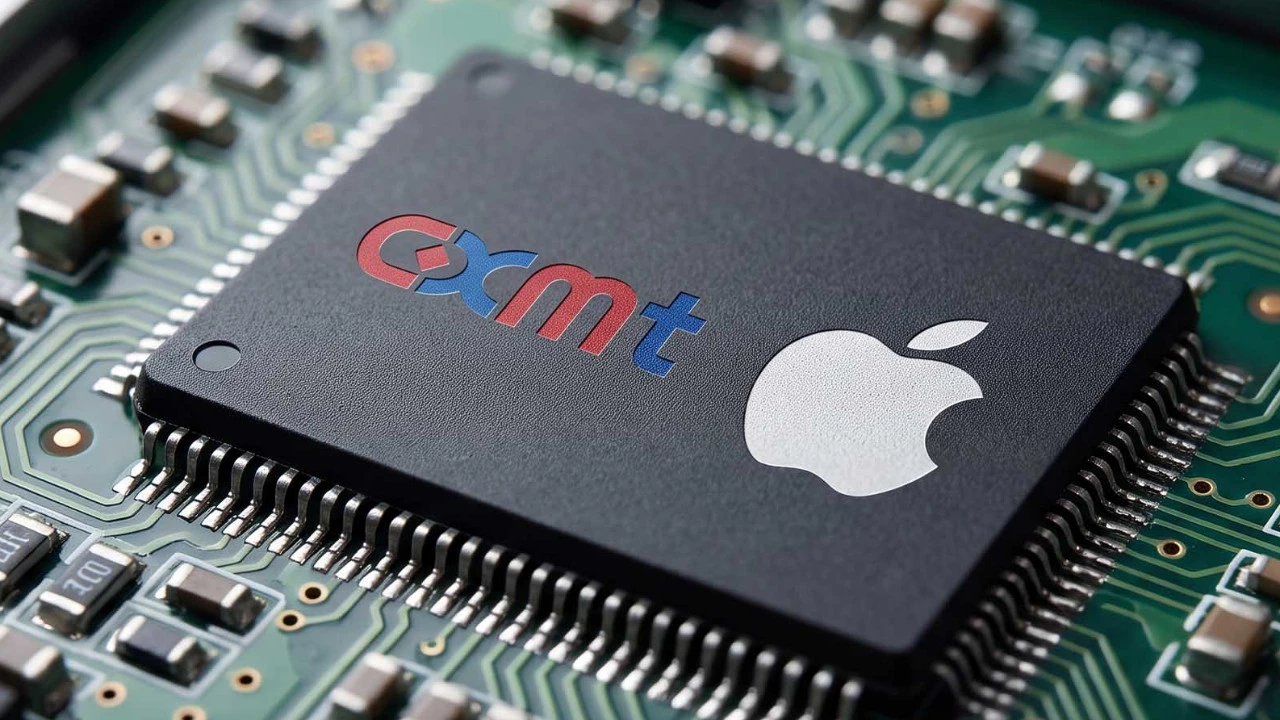
In an unexpected turn of events that highlights the shifting dynamics of the global semiconductor industry, Apple’s attempt to negotiate discounted prices on memory chips from Chinese manufacturer CXMT (ChangXin Memory Technologies) has been firmly rejected. The Hefei-based company reportedly declined Apple’s request for preferential pricing, citing overwhelming demand from domestic smartphone giants Huawei and Xiaomi as sufficient to maintain its production capacity and revenue targets. This rare pushback against one of the world’s most powerful technology companies signals a significant change in the balance of power within the electronic components supply chain.
The Rise of Chinese Memory Chip Manufacturing
CXMT, founded in 2016, has emerged as China’s leading DRAM memory chip manufacturer and represents a cornerstone of Beijing’s ambitious semiconductor self-sufficiency initiative. The company has invested billions of dollars in developing domestic chip production capabilities, particularly as geopolitical tensions between the United States and China have intensified concerns about supply chain vulnerabilities. With substantial government backing and strategic importance to China’s technological independence, CXMT has grown from a relatively unknown player to a significant force in the global memory market. The company’s ability to decline business from Apple demonstrates just how far Chinese semiconductor manufacturers have come in establishing themselves as serious competitors in an industry long dominated by South Korean giants Samsung and SK Hynix, along with American firm Micron Technology.
The rejection also reflects the broader context of US export restrictions on advanced chip technology to China, which have paradoxically strengthened domestic Chinese suppliers by forcing local manufacturers to seek alternatives. Companies like Huawei, which faced severe sanctions limiting its access to foreign-made semiconductors, have increasingly turned to domestic suppliers like CXMT to meet their component needs. This shift has created a robust internal market that gives Chinese chip makers less incentive to offer steep discounts to foreign buyers, even one as prestigious as Apple.
Apple’s Supply Chain Challenges
Apple has long been known for its aggressive negotiation tactics with suppliers, leveraging its massive purchasing power to secure favorable pricing terms. The company’s supply chain, largely concentrated in China, has been a key factor in maintaining healthy profit margins on its products. However, the CXMT situation reveals potential limitations to this approach as market conditions evolve. With memory chips representing a significant portion of smartphone manufacturing costs, any inability to secure competitive pricing could impact Apple’s bottom line or force the company to explore alternative suppliers. Industry analysts suggest that Apple may need to reconsider its negotiation strategies as Chinese suppliers gain confidence and market leverage.
The timing of Apple’s approach to CXMT is particularly noteworthy given the company’s ongoing efforts to diversify its supply chain away from excessive dependence on any single country or manufacturer. Apple has been gradually expanding production in India and Vietnam, but these initiatives take years to fully implement. Meanwhile, the company continues to rely heavily on Chinese components and assembly facilities for the majority of its iPhone production. The CXMT rebuff underscores the complexities of navigating supply chain relationships in an increasingly fragmented and politically charged global technology landscape.
Domestic Demand Driving Market Dynamics
The strong demand from Huawei and Xiaomi that CXMT cited as its reason for declining Apple’s discount request reflects the remarkable resilience and growth of China’s domestic smartphone market. Despite facing international sanctions, Huawei has made a stunning comeback in the Chinese market with its Mate 60 series, which features domestically produced chips. Xiaomi, meanwhile, continues to expand both domestically and internationally, maintaining its position as one of the world’s largest smartphone manufacturers. Together, these companies represent a substantial and growing customer base for Chinese component suppliers, reducing their dependence on foreign buyers and giving them unprecedented negotiating power.
Industry experts suggest this incident may mark the beginning of a new era in semiconductor supply relationships. As Chinese manufacturers continue to advance their technological capabilities and expand production capacity, they are increasingly positioned to set their own terms rather than simply accepting conditions dictated by major international buyers. For Apple and other global technology companies, this shift may require fundamental changes in how they approach supplier relationships in one of the world’s most important manufacturing hubs. The long-term implications could include higher component costs, reduced profit margins, or accelerated efforts to develop alternative supply sources outside of China.
Expert Opinion: This incident represents a watershed moment in semiconductor industry dynamics. As Chinese manufacturers mature and domestic demand intensifies, we can expect global technology giants to face increasingly assertive suppliers who no longer view foreign contracts as essential to their business models. Companies like Apple may need to offer strategic partnerships rather than simply demanding discounts to secure favorable supply arrangements in the future.