
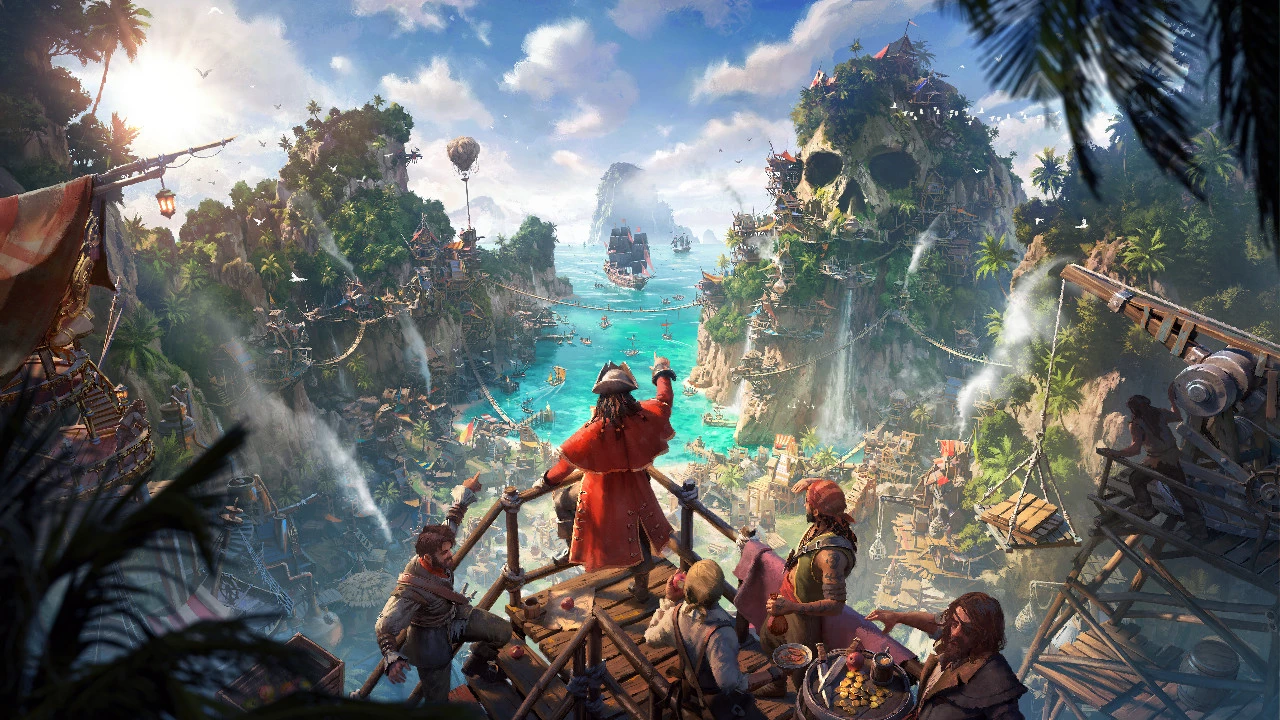
The golden age of piracy has long captivated the imagination of gamers, filmmakers, and storytellers alike. Now, a fresh addition to the city-building genre offers players an entirely new perspective on this swashbuckling era. Corsair Cove brilliantly combines elements of urban development, survival mechanics, complex logistics, and harsh economic management, all set on precarious patches of land squeezed between towering cliffs and the relentless ocean. This innovative approach to the strategy genre presents players with unique challenges that go far beyond traditional city builders, demanding creativity, careful planning, and a true pirate’s cunning to succeed.
A Fresh Take on the City-Building Genre
City-building games have evolved dramatically since the early days of SimCity in the late 1980s. The genre has explored ancient civilizations, futuristic colonies, and everything in between. However, Corsair Cove carves out its own distinctive niche by placing players in the boots of pirate settlers attempting to establish thriving communities in some of the most inhospitable terrain imaginable. Unlike conventional city builders where players enjoy relatively flat, expansive territories, this game forces commanders to work with severely limited horizontal space, building vertically along cliff faces and utilizing every precious square meter of available land.
The development team has clearly drawn inspiration from real historical pirate havens such as Nassau in the Bahamas and Port Royal in Jamaica, both of which served as notorious pirate strongholds during the 17th and 18th centuries. These locations were chosen by actual pirates precisely because of their defensible positions and hidden coves, elements that Corsair Cove translates brilliantly into gameplay mechanics. Players must balance the natural defensive advantages of their clifftop settlements against the logistical nightmares of transporting goods, managing populations, and maintaining supply lines in such challenging environments.
Survival and Economic Challenges
What truly sets Corsair Cove apart from its competitors is the unforgiving economic and survival systems woven throughout the experience. Players cannot simply focus on aesthetic urban planning; they must ensure their fledgling pirate communities can actually sustain themselves. Fresh water sources are scarce on rocky outcrops, food must be either fished from treacherous waters or cultivated on tiny terraced farms, and building materials require dangerous expeditions or successful raids on passing merchant vessels. The game implements a dynamic weather system where storms can devastate poorly planned settlements, washing away structures built too close to the waterline or damaging ships anchored in exposed harbors.
The economic layer adds another dimension of complexity that will appeal to veteran strategy enthusiasts. Players must establish trade networks with other pirate settlements, fence stolen goods through black markets, and manage the morale of their crews who demand fair shares of plunder according to historical pirate codes. These codes, known as “articles” in real pirate history, were surprisingly democratic documents that governed how treasure was divided and how disputes were settled. Corsair Cove incorporates these fascinating historical details, rewarding players who maintain fair and balanced economies while punishing those who hoard wealth or neglect their populations.
Logistics and Vertical Building Mechanics
Perhaps the most innovative aspect of Corsair Cove lies in its vertical building mechanics and the logistical puzzles they create. Traditional city builders operate primarily on a two-dimensional plane, but this game forces players to think in three dimensions. Constructing efficient pathways between different elevation levels becomes crucial, whether through carved stone staircases, rope bridges spanning chasms, or mechanical lift systems powered by prisoner labor or wind power. Each choice carries trade-offs in terms of construction costs, maintenance requirements, and transportation speed.
The logistics system tracks the movement of every resource through the settlement, from raw materials arriving at docks to finished goods reaching warehouses or being loaded onto ships for trade. Players who master these supply chains can build prosperous havens that attract the most notorious captains and their crews. Those who fail to optimize their logistics will watch their settlements starve, their buildings crumble from lack of maintenance, and their populations revolt or simply sail away to better-managed ports. This attention to realistic economic simulation elevates Corsair Cove above many competitors in the crowded strategy market, offering depth that rewards dozens of hours of engaged play.
Expert Opinion: Corsair Cove represents a significant evolution in the city-building genre, successfully merging historical authenticity with innovative gameplay mechanics that challenge conventional design assumptions. The vertical building system and harsh survival elements will likely influence future strategy titles, potentially spawning a new subgenre of terrain-constrained builders. Players seeking deep, rewarding strategic experiences should find exceptional value here, though the steep learning curve may initially deter casual audiences.