
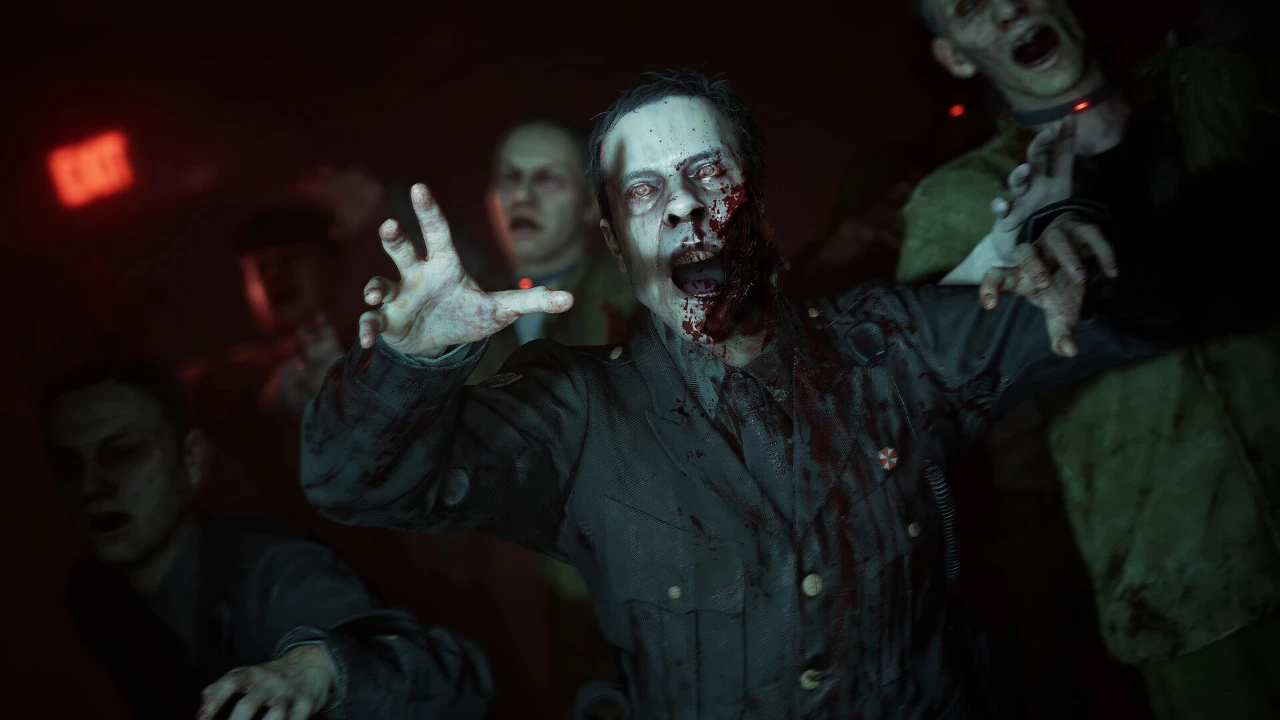
Japanese gaming giant Capcom has announced an ambitious new production strategy for its legendary survival horror franchise, Resident Evil. According to studio producer Masachika Kawata, the company is now targeting the release of one Resident Evil game every single year. This bold declaration signals a significant shift in how one of gaming’s most iconic horror series will be developed and delivered to fans worldwide, potentially transforming the franchise into an annualized property similar to major sports games or action franchises.
The announcement comes at a time when Capcom has been experiencing remarkable success with the Resident Evil brand. The company has successfully revitalized the series through critically acclaimed remakes of classic titles, including Resident Evil 2 Remake in 2019, Resident Evil 3 Remake in 2020, and most recently Resident Evil 4 Remake in 2023. These modern reimaginings have not only satisfied longtime fans but have also introduced the franchise to an entirely new generation of players, collectively selling tens of millions of copies worldwide.
A Legacy of Survival Horror Excellence
Resident Evil, known as Biohazard in Japan, first terrified players in 1996 when it debuted on the original PlayStation. Created by legendary game designer Shinji Mikami, the franchise essentially invented the survival horror genre as we know it today. Over nearly three decades, the series has spawned numerous mainline entries, spin-offs, remakes, and adaptations across various media including six live-action films, animated movies, and a Netflix television series. The franchise has sold over 150 million copies worldwide, making it Capcom’s best-selling intellectual property and one of the most successful video game series in history.
The series has undergone several evolutionary phases throughout its existence. The original trilogy focused on fixed camera angles and puzzle-solving horror, while Resident Evil 4 revolutionized third-person action games with its over-the-shoulder camera perspective in 2005. Later entries like Resident Evil 7: Biohazard returned to the franchise’s horror roots with a first-person perspective, while Resident Evil Village blended action and horror elements to critical acclaim. This versatility has allowed Capcom to experiment with different gameplay styles while maintaining the core identity that fans love.
Industry Implications and Fan Reactions
The move toward annual releases raises important questions about game quality and development sustainability. Historically, annualized franchises have faced criticism for franchise fatigue and declining quality, as seen with series like Assassin’s Creed before Ubisoft shifted to longer development cycles. However, Capcom may be planning to alternate between different types of Resident Evil experiences, including full-scale remakes, new mainline entries, and smaller spin-off titles to maintain variety while meeting their yearly release goals.
Industry analysts suggest that Capcom’s strategy likely involves multiple development teams working on different projects simultaneously, a model the company has employed successfully in recent years. The RE Engine, Capcom’s proprietary game development technology, has proven remarkably efficient for creating high-quality titles across multiple franchises including Devil May Cry 5 and Monster Hunter Rise. This technological foundation could enable faster development cycles without sacrificing the production values that fans expect from AAA releases.
The Future of the Franchise
Looking ahead, speculation is already mounting about what titles might be in Capcom’s pipeline. Fans have long requested remakes of Resident Evil 5 and Code Veronica, while others hope for a continuation of the story following Resident Evil Village. Additionally, multiplayer and live-service experiments like Resident Evil Re:Verse suggest Capcom is exploring diverse revenue models for the franchise. Whatever form these annual releases take, Capcom’s commitment to regular content delivery demonstrates their confidence in Resident Evil’s enduring appeal and commercial viability in an increasingly competitive gaming landscape.
Expert Opinion: Capcom’s annual release strategy represents a calculated risk that could either cement Resident Evil as gaming’s premier horror franchise or lead to creative exhaustion. The key to success will be maintaining quality diversity—alternating between full remakes, experimental spin-offs, and mainline entries to keep the brand fresh. If executed properly with multiple specialized teams, this approach could generate sustained revenue while satisfying both nostalgic veterans and newcomers to the series.