
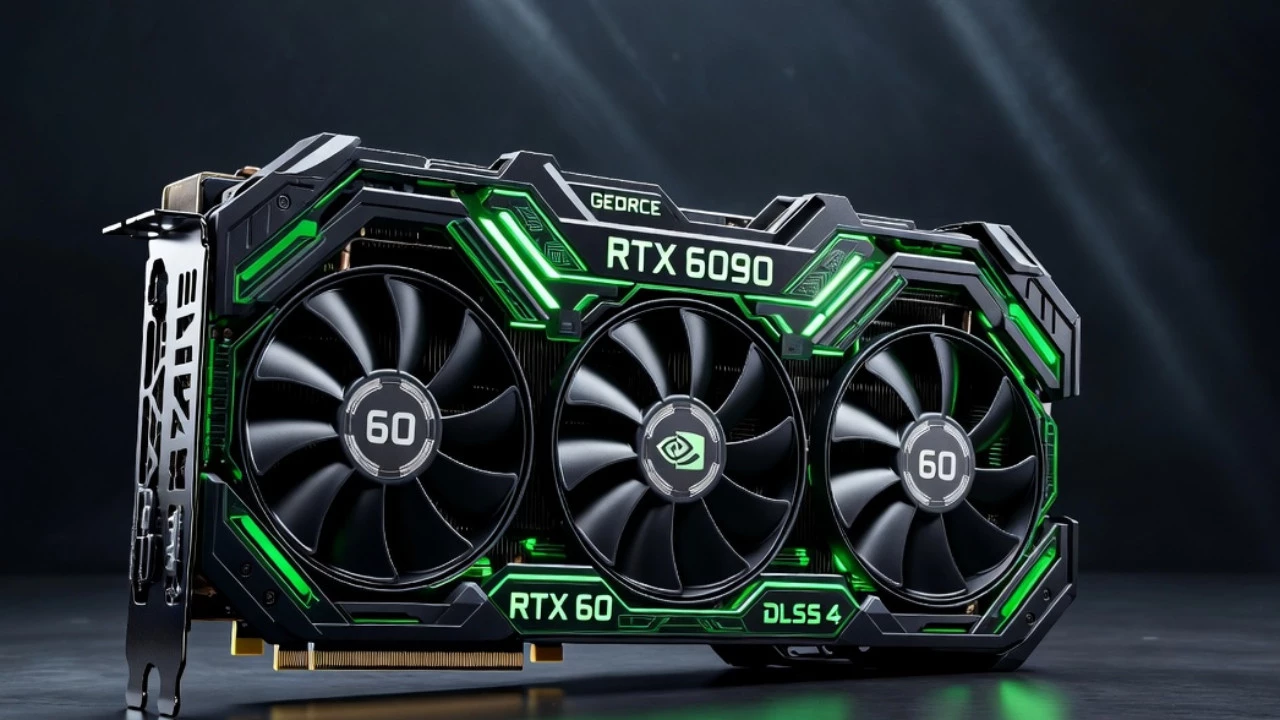
The Chinese graphics card market experienced a dramatic upheaval as prices for GPUs skyrocketed by 20-25% in a single night, catching retailers and consumers off guard. The sudden price increase has been attributed to a severe shortage of GDDR6 and GDDR7 memory chips, which are essential components in modern graphics cards. This unexpected market shift has sent shockwaves through the gaming and computing communities, with many buyers scrambling to secure cards before prices climb even higher.
The memory shortage has caused DRAM module costs to multiply several times over, creating a cascading effect throughout the supply chain. Graphics card manufacturers, already operating on thin margins due to competitive pricing pressures, have been forced to pass these increased costs directly to consumers. Major retailers across China reported updating their price tags overnight, with some popular models seeing increases of several hundred dollars equivalent in local currency.
Understanding the Memory Crisis
The current shortage of GDDR6 and GDDR7 memory represents a critical bottleneck in the global electronics supply chain. GDDR6, which became the standard for high-performance graphics cards around 2018, offers significantly faster data transfer rates compared to its predecessor GDDR5. The newer GDDR7 standard, which began appearing in premium cards in late 2024, promises even greater performance improvements with speeds reaching up to 36 Gbps per pin. However, the manufacturing complexity of these advanced memory types has made production scaling extremely challenging.
Industry analysts point to several factors contributing to the memory shortage. Samsung, SK Hynix, and Micron — the three major producers of graphics memory — have been prioritizing High Bandwidth Memory (HBM) production for artificial intelligence applications, which command higher profit margins. This strategic shift has inadvertently reduced the available capacity for consumer-grade GDDR memory production. Additionally, increased demand from gaming, cryptocurrency mining resurgence, and AI-enabled consumer devices has further strained already limited supplies.
Historical Context and Market Patterns
This is not the first time the graphics card market has experienced such volatility. Between 2020 and 2022, the industry faced unprecedented shortages driven by the COVID-19 pandemic, cryptocurrency mining boom, and global semiconductor supply chain disruptions. During that period, popular graphics cards regularly sold for two to three times their suggested retail prices, with some models becoming virtually impossible to find at any price. The current situation, while not yet as severe, carries echoes of that turbulent period and has raised concerns about a potential repeat scenario.
The Chinese market, as the world’s largest consumer of computer components, often serves as a bellwether for global pricing trends. Price movements in Shenzhen’s electronics markets and major online platforms like JD.com and Taobao frequently precede similar shifts in other regions. Industry observers are closely monitoring whether this overnight price surge in China will spread to North American and European markets in the coming weeks, potentially affecting the global gaming community’s access to affordable hardware.
Impact on Consumers and Industry Response
The sudden price increase has created significant challenges for consumers who had been planning PC builds or upgrades. Budget-conscious gamers and content creators find themselves either postponing purchases or settling for lower-tier hardware than originally intended. Professional users in fields such as video editing, 3D rendering, and machine learning development face similar difficult decisions, as graphics processing power has become essential to their workflows.
NVIDIA and AMD, the two dominant graphics card chipset manufacturers, have yet to issue official statements regarding the pricing situation. However, industry insiders suggest that both companies are working with their manufacturing partners to secure additional memory allocations and stabilize supply chains. Some analysts speculate that the companies may adjust their product roadmaps, potentially delaying the release of certain models or creating new variants optimized for memory efficiency. Meanwhile, the secondary market for used graphics cards has seen increased activity, with sellers capitalizing on the opportunity to offload older hardware at elevated prices.
Expert Opinion: The convergence of AI-driven demand reallocation and consumer electronics growth suggests this memory shortage could persist through the second half of 2025. Manufacturers who diversify their supply chains and secure long-term memory contracts will emerge strongest, while consumers should expect elevated prices for at least two to three quarters before any meaningful correction occurs.