
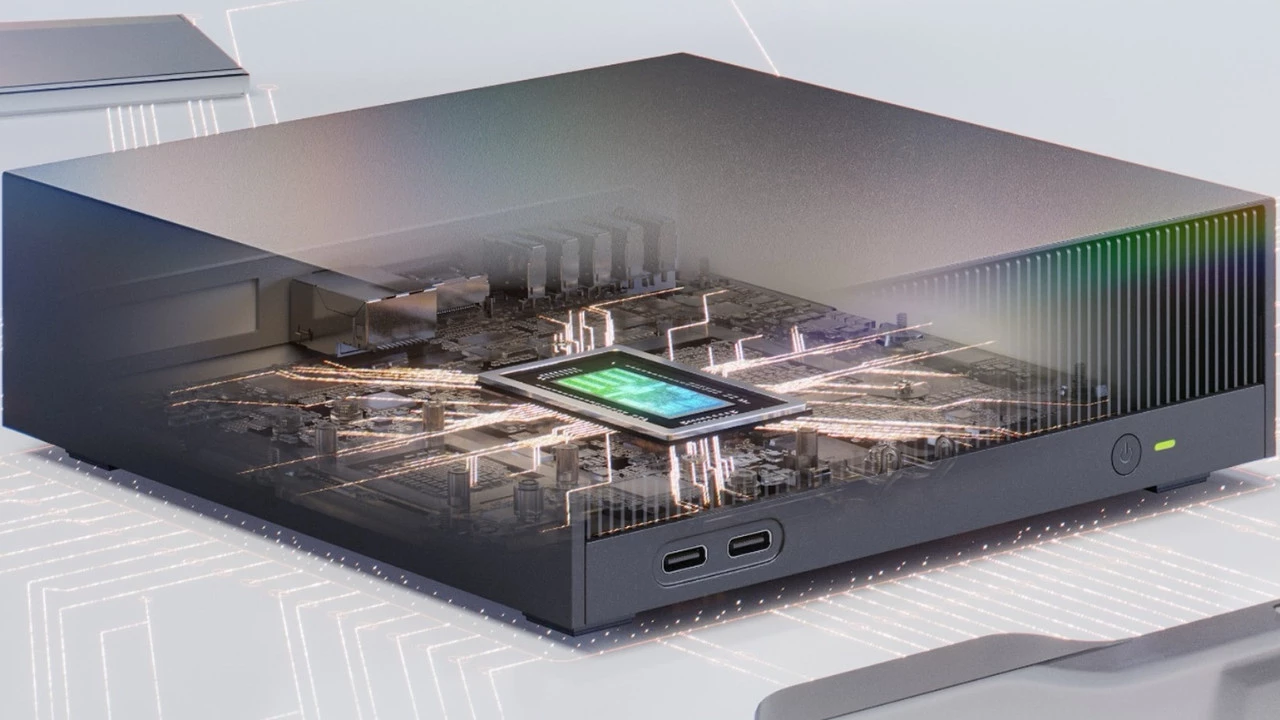
NVIDIA’s ambitious venture into the consumer laptop processor market has hit its first significant roadblock. The company’s inaugural ARM-based chip, developed under the codename RTX Spark, has reportedly delivered underwhelming results in multi-threaded performance tests, raising questions about whether the graphics giant can successfully challenge established CPU manufacturers in this highly competitive segment.
The RTX Spark represents NVIDIA’s most significant push into the consumer CPU space, marking a departure from the company’s traditional focus on graphics processing units and data center solutions. Industry insiders had anticipated that NVIDIA would leverage its extensive experience with ARM architecture, gained through years of developing Tegra processors for mobile devices and the Grace CPU for enterprise applications. However, early benchmark results from Cinebench 2026, one of the most widely respected CPU performance testing tools, suggest that the transition to consumer laptops may prove more challenging than expected.
Benchmark Results Reveal Performance Gaps
According to leaked benchmark data circulating among technology enthusiasts and industry analysts, the RTX Spark processor demonstrated competitive single-core performance but struggled significantly when tasked with multi-threaded workloads. Cinebench 2026, developed by Maxon and based on the Cinema 4D rendering engine, is considered a gold standard for evaluating processor capabilities under realistic creative workloads. The test pushes CPUs to their limits by simulating complex 3D rendering tasks that demand efficient utilization of all available processing cores.
The multi-threaded shortcomings are particularly concerning given the modern computing landscape, where applications increasingly rely on parallel processing to handle demanding tasks such as video editing, 3D modeling, software development, and scientific calculations. Competitors like Apple’s M-series chips, Qualcomm’s Snapdragon X Elite, and traditional x86 offerings from AMD and Intel have all demonstrated strong multi-threaded capabilities, setting a high bar for any newcomer to the market.
Historical Context and Market Implications
NVIDIA’s journey toward consumer CPUs has been years in the making. The company first entered the ARM processor space with its Tegra line, which powered devices ranging from gaming handhelds like the Nintendo Switch to automotive infotainment systems. More recently, NVIDIA developed the Grace CPU specifically for data centers and high-performance computing applications, where it has been paired with the company’s powerful GPU accelerators to create unified computing platforms.
The consumer laptop market represents an entirely different challenge, however. Unlike data center environments where raw performance often takes precedence, laptop processors must balance computational power with energy efficiency, thermal management, and cost considerations. Apple’s successful transition to its own ARM-based silicon with the M1 chip in 2020 demonstrated that ARM architecture could indeed compete with and even surpass traditional x86 processors in consumer devices, inspiring other companies to pursue similar strategies.
Industry Response and Future Outlook
Technology analysts have offered mixed reactions to the benchmark revelations. Some experts suggest that early engineering samples often exhibit suboptimal performance and that NVIDIA has substantial time to optimize the RTX Spark before its anticipated commercial release. Software optimization, driver development, and firmware refinements can significantly impact real-world performance, potentially addressing the multi-threaded deficiencies observed in current testing.
Others express more cautious views, noting that NVIDIA faces an uphill battle against entrenched competitors who have spent decades perfecting their CPU designs. Intel and AMD possess vast experience in consumer processor development, while Apple and Qualcomm have demonstrated remarkable progress in ARM-based computing. For NVIDIA to succeed, the RTX Spark would need to offer compelling advantages, whether through superior graphics integration, exceptional AI acceleration capabilities, or innovative power management features that differentiate it from existing solutions.
The stakes are considerable for NVIDIA, which has built its reputation primarily on graphics technology excellence. A successful entry into the consumer CPU market could open new revenue streams and strengthen the company’s position across the entire computing ecosystem. Conversely, a disappointing product launch could damage the brand’s prestige and waste significant research and development investments. As the technology industry watches closely, NVIDIA’s engineers are undoubtedly working to address these early performance concerns before the RTX Spark reaches consumers.
Expert Opinion: While the disappointing multi-threaded benchmark results represent a setback for NVIDIA’s consumer CPU ambitions, it would be premature to write off the RTX Spark entirely. History has shown that first-generation products often require iteration, and NVIDIA’s deep expertise in parallel computing architecture could eventually translate into competitive CPU designs. The critical question is whether NVIDIA can optimize performance sufficiently before market launch, or whether the company will need to return to the drawing board for a second-generation attempt.